


The Proactive Revolution: A Deep Dive into the Predictive Maintenance Industry
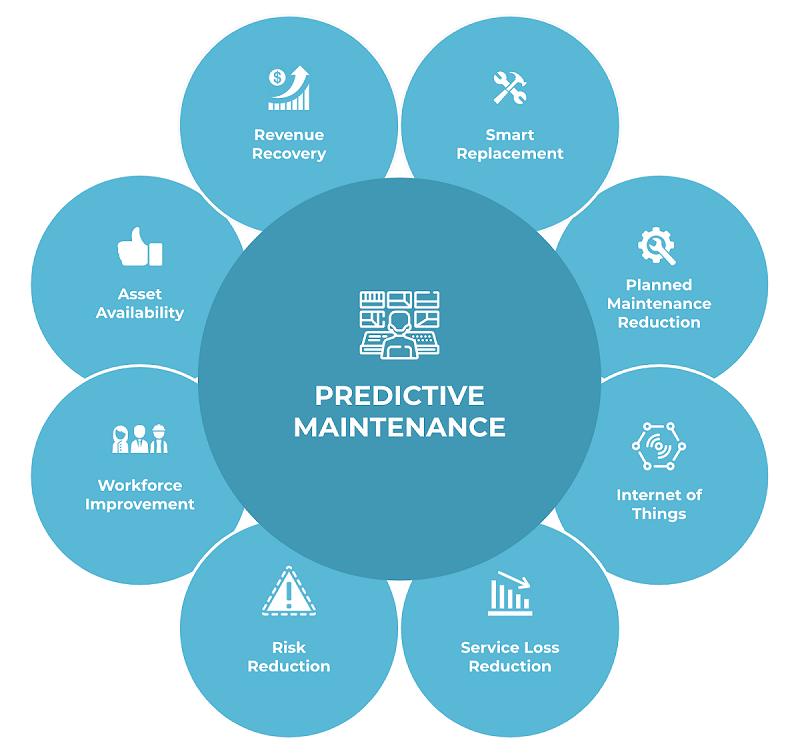
The world of industrial operations is undergoing a profound and data-driven transformation, moving decisively away from reactive and scheduled upkeep towards a far more intelligent paradigm. At the vanguard of this shift is the rapidly expanding Predictive Maintenance industry, a sector that leverages the power of data analytics, the Internet of Things (IoT), and artificial intelligence (AI) to forecast equipment failures before they occur. For decades, maintenance strategies were dominated by two philosophies: reactive maintenance, the costly practice of fixing assets only after they break down, and preventive maintenance, the often-wasteful approach of servicing equipment based on a fixed schedule, regardless of its actual condition. Predictive Maintenance (PdM) introduces a third, superior option. By continuously monitoring the health of machinery in real-time using a network of sensors, PdM algorithms can detect subtle anomalies and patterns that are invisible to the human eye, accurately predicting the future failure point of a component. This allows organizations to schedule maintenance at the optimal moment—just before a failure is likely to happen—thereby maximizing asset uptime, minimizing maintenance costs, and dramatically improving operational efficiency and safety in capital-intensive industries like manufacturing, energy, and transportation.
The technological foundation of the predictive maintenance industry is a sophisticated, multi-layered stack that works in concert to turn raw sensor data into actionable intelligence. It begins at the asset level with the deployment of a variety of sensors designed to capture key condition indicators. These can include vibration sensors to detect bearing wear or misalignment, thermal imaging cameras to identify overheating components, acoustic sensors to listen for abnormal sounds, and oil analysis sensors to check for contaminants. This sensor data is then collected and transmitted, often wirelessly, via IoT gateways to a central processing environment, which can be located either in the cloud or at the "edge" (closer to the machinery). This is where the core of the predictive process takes place. Historical and real-time data is fed into machine learning models that have been trained to understand the normal operating behavior of a specific asset. These models continuously analyze the incoming data streams, searching for deviations from the norm that signal the early stages of degradation. This intricate fusion of hardware (sensors), connectivity (IoT), and advanced software (AI/ML) is what enables the industry to deliver on its promise of proactive, data-driven asset management.
The evolution of the predictive maintenance industry is inextricably linked to the broader trends of Industry 4.0 and the digital transformation of the industrial sector. In its earlier forms, condition-based monitoring was a more manual process, where technicians would periodically take readings with handheld devices and analyze the data later. The current era of PdM is defined by automation, continuous monitoring, and the power of artificial intelligence. The development of "digital twins"—virtual replicas of physical assets—has been a major leap forward. A digital twin can be used to simulate the effects of different operating conditions and to test predictive models in a virtual environment before they are deployed on real machinery. Furthermore, the industry is moving beyond just predicting a failure to also prescribing a solution. Advanced platforms can now not only alert a team that a pump is likely to fail but can also diagnose the probable root cause (e.g., bearing fatigue) and automatically generate a detailed work order in the company's maintenance management system, complete with a list of needed parts and repair instructions. This continuous evolution towards greater intelligence and automation is what makes the industry so dynamic and valuable.
The ecosystem supporting the industry is a diverse collection of specialized vendors and technology giants. It includes hardware manufacturers who produce the industrial-grade sensors and IoT gateways. It features the major cloud providers like Amazon Web Services (AWS) and Microsoft Azure, who offer the scalable storage and compute power necessary to run complex AI models. A crucial segment is the software platform providers, ranging from large industrial conglomerates like Siemens and General Electric, who embed PdM capabilities into their industrial platforms, to pure-play AI and analytics companies like C3 AI and SAS, who offer specialized predictive analytics software. Finally, a network of system integrators and consultants plays a vital role in helping industrial companies navigate the complexities of deploying a PdM solution, from sensor installation and data integration to model development and workflow redesign. This collaborative ecosystem is essential for bringing the full power of predictive maintenance to the factory floors, power plants, and transportation networks of the world.
Top Trending Reports:
Enterprise Data Loss Prevention Software Market
 Spanish
 English
 Arabic
 French
 Portuguese
 Deutsch
 Turkish
 Dutch
Dutch
 Italiano
 Russian
 Romaian
 Portuguese (Brazil)
 Greek
Greek