


MMOexp: The Complete Diablo 4 Torment Tier Strategy
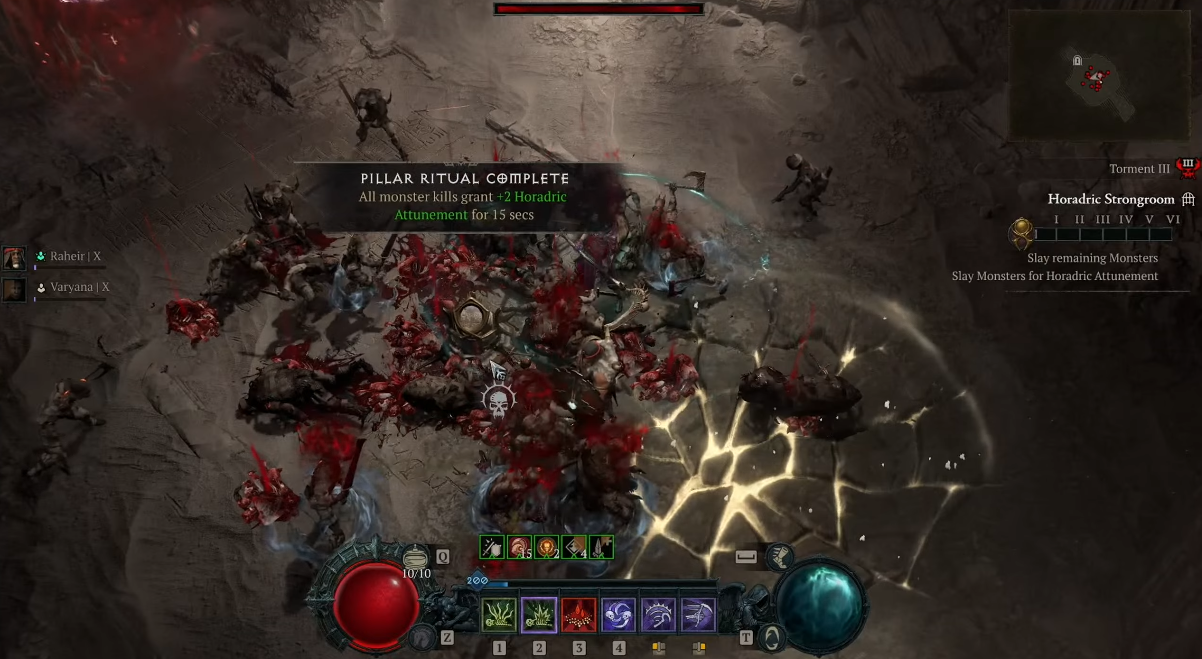
Once you finish the campaign in Diablo IV, the real game begins. The transition into Torment tiers completely changes how you approach progression. Instead of casually clearing content, every activity becomes part of a larger optimization loop focused on loot efficiency, Diablo IV Gold, and system synergy.
This guide breaks down a structured approach to endgame progression based on a “war plan” philosophy: never waste time on inefficient activities, always align your build choices with current objectives, and constantly rotate systems to maximize rewards.
The Core Rule: Only Do War Plan Activities
The most important mindset shift after the campaign is simple: never engage in any activity that is not part of your current war plan.
Every major activity in endgame—Helltides, Nightmare Dungeons, Pit runs, Whisper content, and boss rotations—feeds into a structured progression tree. These “activity trees” are what turn standard gameplay into optimized farming loops.
For example:
Helltide chests can trigger boss encounters that drop targeted unique loot.
Pit completions can massively increase glyph upgrade values beyond standard rewards.
Boss activities feed into layered loot systems that loop back into more boss keys.
Instead of treating content as separate modes, everything becomes interconnected. The goal is to constantly rotate between systems depending on which tree nodes you’ve unlocked.
Activity Trees: The Hidden Engine of Progression
Each activity in Torment progression has its own upgrade tree, and these trees dramatically change reward outcomes.
Helltide Tree Enhancements
Helltides are no longer just farming zones—they become dynamic loot ecosystems:
Special enemies can spawn during chest interactions
These enemies drop targeted boss loot (like Grigoire-related rewards)
Meteors can summon additional elite mobs that drop extra cinders
Chest events can escalate into high-value loot bursts
Some modifiers increase risk but massively boost rewards:
Losing all cinders on death for higher reward scaling
Or safer options where you retain cinders but earn less overall value
One of the most powerful upgrades is unlocking high-tier chests requiring 666 cinders, which offer massive loot spikes and accelerate gearing significantly.
Nightmare Dungeons: XP and Whisper Synergy
Nightmare Dungeons remain a core progression pillar, but their value comes from layered bonuses:
Key upgrades include:
Bonus chest spawns after completion
Boss revival mechanics that increase loot and XP
Additional Whisper synergy rewards
Enhanced ancestral cache chances
Whisper systems also evolve:
Additional cache selection options
Increased XP gain (up to 50% bonus in some setups)
Higher chance for rare materials like resplendent sparks
These systems are designed to feed both gear progression and Paragon leveling simultaneously, making Nightmare Dungeons one of the most efficient XP loops.
Pit Runs: The Glyph Upgrade Machine
The Pit is arguably the most important progression activity once you hit Torment tiers.
Instead of basic glyph upgrades, advanced Pit nodes allow:
Increased glyph upgrade chances per run
Bonus upgrades based on remaining completion time
Stacking modifiers that can add multiple upgrade rolls per clear
A strong optimized setup can lead to:
+2 upgrades from base completion
+1 bonus from seasonal systems
Additional +1–2 from tree enhancements
This creates the potential for massive glyph acceleration, which directly translates into endgame power scaling.
The key modifier here is speed-based:
Faster clears = exponentially better rewards
Efficient builds become significantly more valuable than raw damage builds
Helltide Optimization: Cinders, Chaos, and Control
Helltides remain one of the most efficient farming zones in endgame due to their density and scaling systems.
Optimized Helltide strategies include:
Farming “demonic brat” enemies for high cinder drops
Triggering harbinger spawns from meteors
Prioritizing elite chains for stacked rewards
Some of the strongest upgrades include:
Increased spawn rates for elite cinder-dropping enemies
Bonus cinders from harbingers
Chest escalation mechanics
High-risk death penalty systems that amplify rewards
The goal is to reach consistent high-cinder thresholds quickly, enabling repeated high-tier chest openings.
Whisper System: Passive Power Acceleration
Whispers act as a passive progression backbone. While not always the fastest source of gear, they provide:
Additional cache choices
Improved ancestral drop rates
Increased XP gain for Paragon leveling
Bonus chances for rare crafting materials
A major upgrade path also allows whispers to occasionally drop high-end crafting items such as resplendent sparks, turning them into long-term investment content rather than filler tasks.
Obols and Gambling Optimization
Once Torment begins, Obol gambling becomes more strategic.
The key optimization steps:
Unlock seasonal bonuses for extra item rolls
Focus gambling on high-impact slots (rings, amulets, weapons)
Target specific affix upgrades or greater affix variants
The strategy shifts from random gambling to targeted stat hunting, especially for builds that rely heavily on specific unique items or stat thresholds.
Loot Filtering and Visibility Control
At higher difficulty levels, loot management becomes critical.
Advanced players often:
Highlight ancestral items (900 item power tier)
Hide common and magic items entirely
Recolor rare drops for immediate visibility
This reduces screen clutter and ensures no high-value drop is missed during fast-paced farming loops.
The introduction of higher item power ancestrals makes loot filtering essential rather than optional.
Lair Boss Progression and Key Systems
Boss systems form a layered economy of keys and progression chains.
There are multiple tiers:
Standard lair bosses
Greater lair bosses
Final encounter bosses
Key sources include:
Helltides
Whisper caches
Dungeon completions
World bosses
Bosses not only drop loot but also drop additional keys, creating a self-sustaining farming loop.
Greater lair bosses require special keys, which begin dropping more frequently in higher Torment tiers. This creates a natural scaling curve where progression feeds itself.
High-End Boss Encounters
Endgame bosses like Duriel-tier encounters and other advanced lair bosses require:
Greater lair keys
Multi-source farming routes
Rotational boss farming strategies
At the top end, ultra-rare encounters require special items that may drop only in high Torment tiers or from layered boss loot chains. These encounters offer the strongest rewards but require full system mastery.
Gear Scaling: Talismans, Skills, and Multipliers
Early progression often relies on utility talismans and XP boosts, but later builds shift heavily toward:
Skill rank stacking
Multiplicative damage bonuses
Set-based synergy effects
Skill rank stacking is especially powerful:
+10 or more ranks in key skills can dramatically increase output
Multipliers can exceed 100%+ damage scaling when fully optimized
At higher tiers, raw XP bonuses matter less than multiplicative scaling systems.
Horadric Cube Systems: Crafting Power Loops
The Horadric Cube introduces advanced crafting mechanics that redefine item progression.
Key functions include:
Adding affixes to rare items
Converting items into legendary versions
Upgrading sets or rerolling item identities
Transmuting duplicates into higher-tier versions
One of the most powerful systems is item amalgamation:
Combine duplicates of boss drops
Convert them into higher-quality versions
Target specific unique item pools
This system turns duplicate loot into a controlled progression path rather than waste.
Jewels, Runes, and Socket Optimization
Socket systems add another layer of scaling:
Jewels provide elemental and physical damage bonuses
High-tier gems offer significant multiplicative scaling
Rune combinations add utility effects like companions or crowd control
Rune crafting allows players to:
Combine lower-tier runes into specific legendary outcomes
Fill gaps in builds through deterministic crafting
These systems become increasingly important as raw gear upgrades slow down.
Paragon Optimization: The Final Layer
Paragon progression shifts heavily toward efficiency and pathing.
Optimal strategies include:
Prioritizing legendary nodes first
Ignoring minor glyph activation early
Directly routing toward high-value damage nodes
In optimized builds, Paragon boards can contribute:
Massive additive and multiplicative damage bonuses
Defensive scaling for survivability
Build-defining stat thresholds
Efficient routing can dramatically reduce time-to-power in Torment progression.
Conclusion: From Campaign to Torment Mastery
Endgame in Diablo IV is not about doing more—it’s about doing smarter. Every system feeds into another: Helltides generate keys, keys unlock bosses, bosses drop gear that fuels Pit runs, and Pit runs accelerate Paragon and glyph scaling cheap Diablo IV Gold.
The key philosophy is rotation and optimization:
Always align activities with your current war plan
Stack systems instead of isolating them
Prioritize speed and synergy over raw difficulty
Continuously respec trees to match your next activity
Once mastered, this loop turns early Torment into a fast, self-sustaining progression engine, pushing players rapidly toward the highest tiers of endgame power.

 English
 Arabic
 Spanish
 Portuguese
 Deutsch
 Turkish
 Dutch
Dutch
 Italiano
 Russian
 Romaian
 Portuguese (Brazil)
 Greek
Greek