


How Healthcare Mobile App Development Helps Reduce Administrative Work
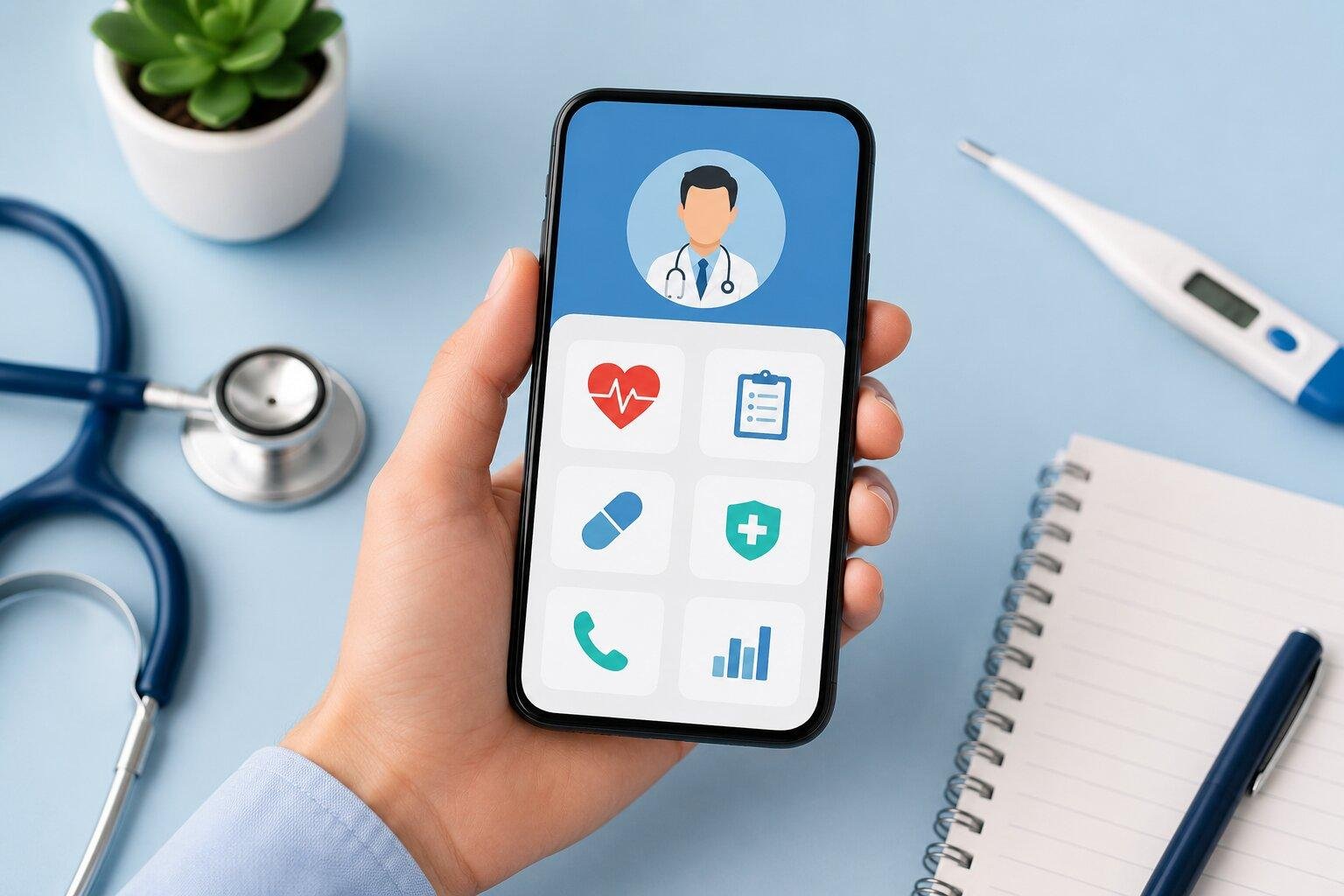
The healthcare industry faces increasing pressure to provide high-quality patient care while managing growing administrative responsibilities. From appointment scheduling and patient record management to billing and communication, healthcare providers often spend significant time on tasks that take attention away from patient care. This is where healthcare mobile app development plays a crucial role.
Healthcare mobile applications are transforming the way hospitals, clinics, and healthcare professionals manage daily operations. By automating routine processes and improving workflow efficiency, these apps help reduce administrative burdens and allow medical staff to focus on what matters most - delivering excellent patient care.
The Growing Challenge of Administrative Work in Healthcare
Administrative tasks consume a large portion of healthcare professionals' time. Managing patient appointments, updating medical records, handling insurance claims, processing payments, and coordinating communication can be time-consuming and prone to human error.
As patient volumes increase, manual administrative processes become even more difficult to manage. Healthcare organizations need efficient digital solutions that streamline operations and minimize repetitive tasks. Mobile applications offer a practical way to address these challenges while improving overall productivity.
Automating Appointment Scheduling and Management
One of the most significant benefits of healthcare mobile apps is automated appointment scheduling. Traditionally, reception staff spend hours answering calls, booking appointments, rescheduling visits, and sending reminders.
Healthcare apps simplify this process by allowing patients to:
-
Book appointments online
-
View available time slots
-
Receive appointment reminders
-
Reschedule visits when necessary
-
Cancel appointments without calling the clinic
Automated scheduling reduces the workload on administrative staff while minimizing missed appointments. It also improves the patient experience by providing convenient access to healthcare services.
How Healthcare Mobile App Development Streamlines Administrative Processes
Modern healthcare mobile app development solutions are designed to automate a wide range of administrative functions. These applications integrate multiple processes into a single platform, reducing paperwork and eliminating repetitive manual tasks.
Healthcare apps can manage:
-
Electronic health records (EHR)
-
Patient registration
-
Prescription management
-
Billing and payments
-
Insurance verification
-
Internal communication
By centralizing these functions, healthcare organizations can reduce operational inefficiencies and improve data accuracy. Staff members spend less time searching for information and more time focusing on patient care activities.
Simplifying Patient Record Management
Maintaining accurate patient records is essential for healthcare providers. However, manual record-keeping often leads to delays, duplication, and data entry errors.
Mobile healthcare applications allow healthcare professionals to access and update patient records in real time. Information is securely stored and can be retrieved instantly whenever needed.
Benefits include:
-
Faster access to patient information
-
Reduced paperwork
-
Improved data accuracy
-
Better coordination among healthcare teams
-
Enhanced compliance with healthcare regulations
Digital record management significantly reduces administrative workloads while improving operational efficiency.
Improving Communication Between Patients and Providers
Communication is another area where healthcare organizations spend considerable administrative effort. Staff often handle appointment inquiries, prescription requests, follow-up communications, and patient questions through phone calls and emails.
Healthcare mobile apps streamline communication through features such as:
-
In-app messaging
-
Automated notifications
-
Prescription refill requests
-
Telemedicine consultations
-
Follow-up reminders
These tools reduce the number of routine calls handled by administrative teams while ensuring patients receive timely information and support.
Enhancing Billing and Payment Processes
Billing and payment management can be one of the most complex administrative functions in healthcare. Manual invoicing, payment collection, and insurance processing require substantial staff involvement.
Healthcare mobile applications simplify financial operations by offering:
-
Digital invoices
-
Secure online payments
-
Insurance claim tracking
-
Automated payment reminders
-
Financial reporting tools
Automation reduces errors, speeds up payment processing, and minimizes the administrative workload associated with financial management.
Supporting Telemedicine and Remote Healthcare Services
The rise of telemedicine has created new opportunities for healthcare providers to reduce administrative burdens. Mobile applications enable patients to consult doctors remotely, eliminating many logistical challenges associated with in-person visits.
Telemedicine features often include:
-
Video consultations
-
Digital prescriptions
-
Online appointment booking
-
Secure document sharing
-
Remote patient monitoring
These capabilities reduce paperwork, improve scheduling efficiency, and lower the administrative costs of delivering healthcare services.
Reducing Errors Through Automation
Human errors in administrative tasks can lead to scheduling conflicts, billing mistakes, inaccurate records, and communication issues. Such errors often require additional staff time to identify and correct.
Healthcare mobile apps use automation to reduce the likelihood of mistakes by:
-
Automatically updating records
-
Sending accurate appointment reminders
-
Processing digital forms
-
Tracking patient interactions
-
Generating reports automatically
Greater accuracy results in smoother operations and less time spent on corrective administrative work.
Increasing Staff Productivity
When administrative tasks are automated, healthcare professionals can dedicate more time to patient care and clinical responsibilities. This improves overall productivity while reducing employee stress and burnout.
Healthcare organizations benefit from:
-
Faster workflows
-
Better resource utilization
-
Reduced operational costs
-
Improved employee satisfaction
-
Enhanced patient outcomes
As administrative burdens decrease, healthcare teams can operate more efficiently and provide higher-quality services.
Conclusion
Healthcare organizations are continuously seeking ways to improve efficiency while maintaining exceptional patient care standards. Mobile applications have emerged as powerful tools for reducing administrative workloads by automating scheduling, record management, billing, communication, and other routine tasks. As digital healthcare continues to evolve, investing in healthcare mobile app solutions can help organizations streamline operations, reduce costs, and improve overall service delivery. Businesses exploring digital transformation opportunities in various sectors can also learn from innovations in healthcare technology, just as many companies are benefiting from advancements in real estate mobile app development to improve operational efficiency and customer experiences.
 Portuguese
 English
 Arabic
 French
 Spanish
 Deutsch
 Turkish
 Dutch
Dutch
 Italiano
 Russian
 Romaian
 Portuguese (Brazil)
 Greek
Greek