


What Is Hydraulic Fluid? A Complete Guide
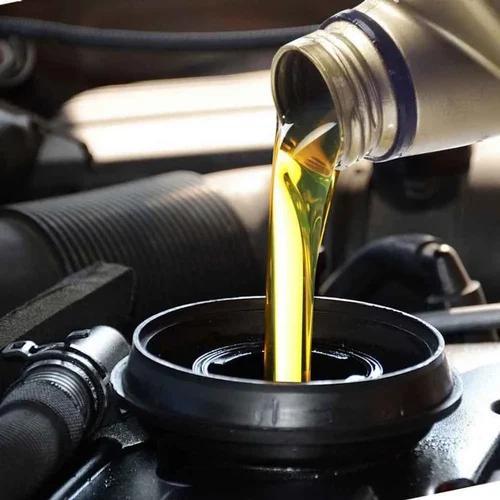
Hydraulic systems are the backbone of many industries across the United States, including manufacturing, construction, mining, agriculture, and power generation. At the heart of every hydraulic system is hydraulic fluid, a specialized liquid responsible for transmitting power, lubricating components, and protecting equipment from wear. Understanding what hydraulic fluid is and how it functions can help businesses improve equipment performance, reduce maintenance costs, and extend system life.
What Is Hydraulic Fluid?
Hydraulic fluid is a specially formulated liquid used to transfer energy within hydraulic systems. When pressurized by a hydraulic pump, the fluid carries force through hoses, valves, cylinders, and motors, allowing machinery to perform heavy-duty tasks efficiently.
Unlike ordinary oils, hydraulic fluid is designed to operate under high pressure while providing lubrication, heat transfer, corrosion protection, and contamination control.
How Does Hydraulic Fluid Work?
Hydraulic fluid works by transmitting pressure throughout a closed system. The process follows these basic steps:
- A hydraulic pump draws fluid from a reservoir.
- The pump pressurizes the fluid.
- Pressurized fluid travels through hydraulic lines.
- Control valves direct the fluid to hydraulic cylinders or motors.
- The hydraulic actuator converts fluid pressure into mechanical force.
- The fluid returns to the reservoir for recirculation.
This simple yet powerful process allows hydraulic systems to lift, push, pull, and move heavy loads with precision.
Key Functions of Hydraulic Fluid
Hydraulic fluid performs several critical functions:
Power Transmission
The primary role of hydraulic fluid is to transfer energy efficiently throughout the hydraulic system.
Lubrication
Hydraulic fluid reduces friction between moving components, helping minimize wear and extend equipment life.
Heat Dissipation
During operation, hydraulic systems generate heat. Hydraulic fluid absorbs and transfers heat away from critical components.
Corrosion Protection
Quality hydraulic fluids contain additives that protect metal surfaces from rust and corrosion.
Contamination Removal
Hydraulic fluid helps carry contaminants toward filtration systems where harmful particles can be removed.
Common Types of Hydraulic Fluid
Several types of hydraulic fluids are used in industrial applications:
Mineral-Based Hydraulic Fluid
The most common hydraulic fluid used in industrial machinery due to its performance and affordability.
Synthetic Hydraulic Fluid
Designed for extreme temperatures and demanding operating conditions.
Water-Based Hydraulic Fluid
Often used in applications requiring improved fire resistance.
Biodegradable Hydraulic Fluid
Environmentally friendly fluids commonly used in environmentally sensitive locations.
Why Hydraulic Fluid Cleanliness Matters
Contaminated hydraulic fluid is one of the leading causes of hydraulic system failures in the United States. Dirt, water, metal particles, and sludge can damage pumps, valves, cylinders, and other critical components.
This is why advanced hydraulic oil filtration systems are essential. Effective filtration helps:
- Remove harmful contaminants
- Extend hydraulic fluid life
- Reduce equipment downtime
- Improve system efficiency
- Lower maintenance expenses
- Protect critical hydraulic components
Regular fluid analysis and filtration can significantly improve equipment reliability.
The Importance of Professional Filtration Solutions
At Harvard Filtration, we understand that clean hydraulic fluid is critical for maintaining peak equipment performance. Our advanced filtration solutions help industrial facilities throughout the United States control contamination and maximize system reliability.
From portable filtration units to replacement filter elements and contamination control solutions, Harvard Filtration supports businesses seeking long-term hydraulic system performance and reduced operating costs.
Conclusion
Hydraulic fluid is the lifeblood of every hydraulic system. It transfers power, lubricates components, dissipates heat, and protects equipment from wear and contamination. However, even the highest-quality hydraulic fluid can become ineffective when contaminants enter the system. By investing in proper hydraulic oil filtration and contamination control, businesses across the United States can improve equipment efficiency, reduce downtime, and extend machinery life. Harvard Filtration provides trusted filtration solutions designed to keep hydraulic systems operating at their best.
 Spanish
 English
 Arabic
 French
 Portuguese
 Deutsch
 Turkish
 Dutch
Dutch
 Italiano
 Russian
 Romaian
 Portuguese (Brazil)
 Greek
Greek