


Why Are Digital Learning Platforms Essential for Modern Education?
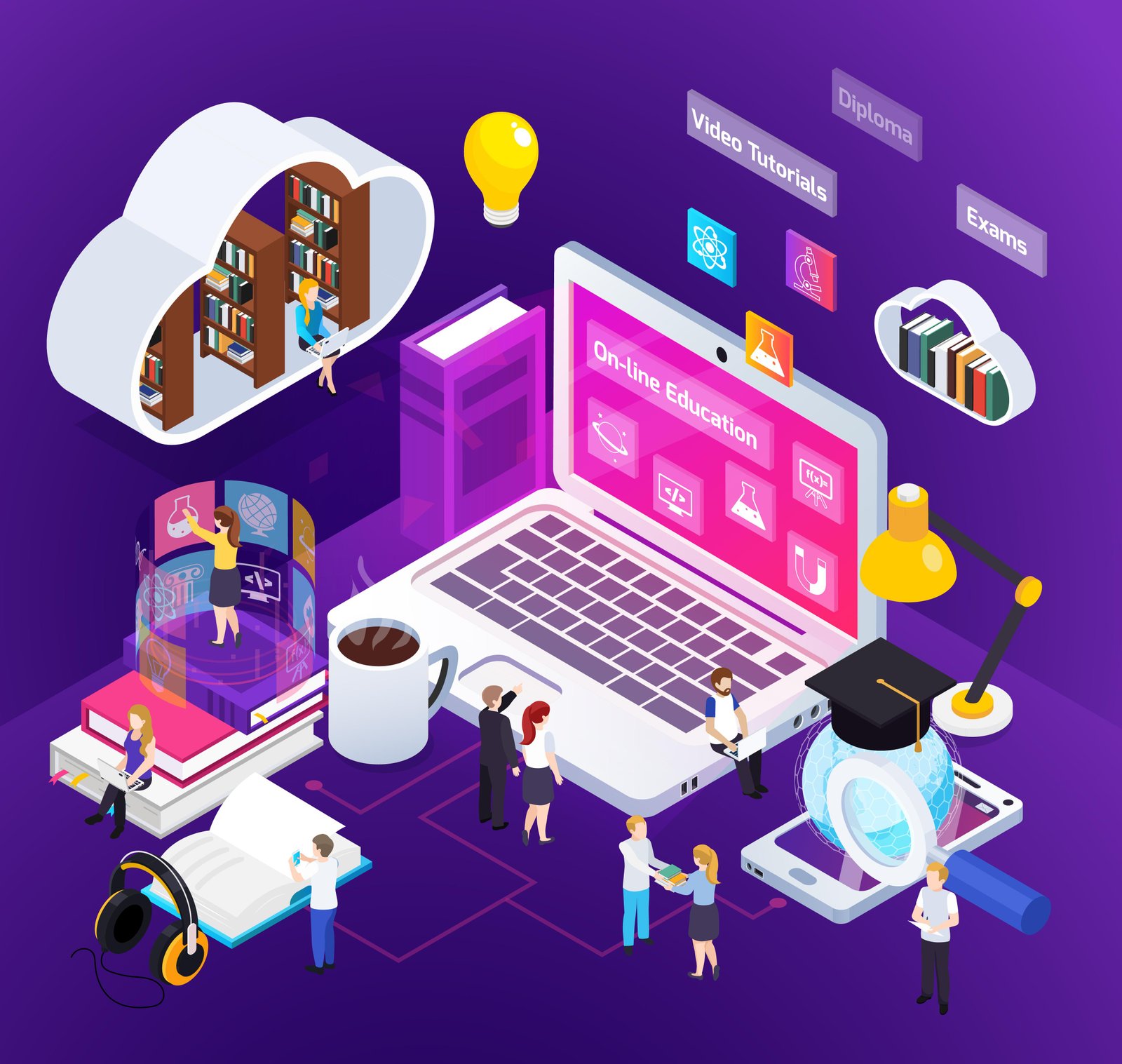
Education has changed significantly in recent years, with technology becoming a core part of how students learn and educators teach. Digital learning platforms have made education more flexible, accessible, and engaging for learners across different age groups and academic levels. As schools, colleges, universities, and organizations continue to embrace digital transformation, these platforms are helping create learning experiences that meet the needs of today's fast-changing world.
The Shift Toward Digital Education
Traditional classroom learning remains valuable, but it often comes with limitations such as fixed schedules, location-based learning, and limited access to resources. Modern learners expect education to be available whenever and wherever they need it. This is where digital learning platforms have become essential.
These platforms allow students to attend virtual classes, complete assignments, watch recorded lectures, participate in discussions, and track their learning progress from a single interface. Whether someone is pursuing higher education, professional certifications, or skill development, digital learning provides convenience without compromising educational quality.
Educational institutions also benefit from centralized content management, automated assessments, and improved communication between teachers and students.
Making Education Accessible for Everyone
Accessibility is one of the biggest advantages of digital education. Students living in remote areas or those with work and family responsibilities can continue learning without relocating or following rigid schedules.
Online learning removes many traditional barriers by providing:
-
Learning from any location
-
Access through computers, tablets, and smartphones
-
Self-paced learning opportunities
-
Recorded lectures for revision
-
Interactive learning resources
This flexibility helps students continue their education while balancing other commitments.
Educational equality improves when quality learning materials become available beyond physical classrooms.
Personalized Learning Experiences
Every student learns differently. Some understand concepts quickly, while others need additional practice. Traditional classrooms often struggle to accommodate these differences.
Modern digital learning platforms use data-driven insights to personalize learning journeys. Students receive recommendations based on their performance, allowing them to focus on areas where improvement is needed.
Personalization may include:
-
Customized learning paths
-
Adaptive assessments
-
Individual progress reports
-
Personalized recommendations
-
Skill gap identification
This targeted approach helps learners gain confidence while improving academic outcomes.
Interactive Learning Improves Engagement
Passive learning is gradually being replaced with interactive educational experiences. Students today expect learning to be engaging rather than limited to reading textbooks.
Digital platforms support various interactive features, including:
-
Video lessons
-
Live virtual classrooms
-
Discussion forums
-
Interactive quizzes
-
Gamification
-
Simulations
-
Multimedia presentations
These elements increase student participation while making complex subjects easier to understand.
Higher engagement often leads to better knowledge retention and improved learning outcomes.
Supporting Teachers Through Technology
Technology is not replacing teachers. Instead, it is giving educators better tools to manage classrooms and improve instruction.
Teachers can:
-
Upload study materials
-
Schedule classes
-
Conduct online assessments
-
Monitor attendance
-
Track student performance
-
Provide instant feedback
-
Communicate with students efficiently
Automation reduces administrative workload, allowing teachers to spend more time supporting student learning.
Many educational institutions now partner with an edtech company Bangalore to implement advanced learning technologies that improve both teaching and administration.
Learning Analytics Drive Better Decisions
Data has become one of the most valuable assets in education. Digital learning systems generate insights that help educators identify trends and improve teaching strategies.
Learning analytics can measure:
-
Student participation
-
Assignment completion
-
Quiz performance
-
Attendance
-
Course completion rates
-
Learning progress
These insights help institutions intervene early when students need additional support.
Instead of waiting until final examinations, teachers can identify struggling students throughout the learning process.
Supporting Hybrid and Remote Learning
The demand for flexible education continues to grow. Many institutions now combine classroom instruction with online learning.
Hybrid learning offers several benefits:
-
Greater flexibility
-
Better resource availability
-
Reduced travel time
-
Increased classroom efficiency
-
Continuous learning during disruptions
Digital platforms ensure learning continues regardless of physical location.
This flexibility has become especially valuable for universities, training organizations, and corporate learning environments.
Simplifying Learning Management
Educational institutions often manage thousands of students, courses, instructors, and assessments simultaneously.
An efficient lms company in Bangalore can provide institutions with centralized systems that simplify course management while improving communication and collaboration.
Learning management systems typically include:
-
Course creation
-
Student enrollment
-
Attendance tracking
-
Assignment submission
-
Assessment management
-
Certificate generation
-
Reporting dashboards
Having everything organized in one platform improves operational efficiency while enhancing the learning experience.
Supporting Institutions Across India
Educational technology adoption has accelerated across schools, colleges, universities, and training institutes.
An advanced lms platform in India enables institutions to deliver consistent educational experiences regardless of campus size or student population.
These platforms can support:
-
Higher education
-
Schools
-
Corporate training
-
Government skill programs
-
Professional certification institutes
-
Coaching centers
Scalable infrastructure ensures institutions can continue growing without major technology limitations.
Artificial Intelligence is Transforming Education
Artificial intelligence is becoming an important part of modern learning systems.
An ai based lms India solution can automate repetitive tasks while providing intelligent recommendations for both students and educators.
AI-powered capabilities may include:
-
Automated grading
-
Personalized content recommendations
-
Intelligent assessments
-
Predictive analytics
-
Student performance forecasting
-
Learning path optimization
-
Virtual assistants
AI helps educational institutions deliver smarter learning experiences while reducing administrative workload.
As technology continues to evolve, AI will likely become even more integrated into everyday education.
Improving Student Collaboration
Learning is often more effective when students collaborate with peers.
Digital platforms encourage collaboration through:
-
Group projects
-
Discussion boards
-
Live chat
-
Video conferencing
-
Peer reviews
-
Shared learning resources
These collaborative tools help students develop communication, teamwork, and problem-solving skills that are valuable in both academic and professional settings.
Students remain connected even when learning remotely.
Cost-Effective Education Solutions
Building physical infrastructure requires significant investment.
Digital learning reduces costs associated with:
-
Printed materials
-
Classroom space
-
Travel
-
Administrative processes
-
Paper-based assessments
Institutions can also update course materials instantly without reprinting textbooks or manuals.
Students benefit from affordable access to quality educational resources.
Better Skill Development
Today's employers increasingly value practical skills alongside academic qualifications.
Digital learning platforms often include:
-
Industry-focused certifications
-
Skill assessments
-
Practical projects
-
Internship support
-
Career guidance
-
Portfolio development
This combination helps students prepare for real-world employment opportunities.
Many platforms collaborate with industry experts to ensure course content remains relevant to current market demands.
Preparing Colleges for the Future
Higher education institutions face growing expectations from students who want flexible, technology-enabled learning experiences.
The best lms for colleges in India provides colleges with features such as:
-
Academic planning
-
Examination management
-
Faculty collaboration
-
Student analytics
-
Learning content management
-
Digital certifications
These capabilities improve institutional efficiency while creating better educational experiences.
Modern colleges are increasingly adopting integrated learning ecosystems that combine teaching, administration, and student engagement.
Supporting Lifelong Learning
Education no longer ends after graduation.
Professionals continue learning throughout their careers to stay competitive.
Digital learning platforms make lifelong learning practical by offering:
-
Short certification courses
-
Professional development programs
-
Upskilling opportunities
-
Industry certifications
-
Flexible scheduling
Continuous learning helps individuals adapt to changing technologies and evolving job requirements.
Organizations also benefit from providing employees with ongoing training through digital learning systems.
Choosing the Right Digital Learning Platform
Selecting the right learning platform requires careful evaluation.
Institutions should consider factors such as:
-
User-friendly interface
-
Mobile compatibility
-
Scalability
-
Security
-
Integration capabilities
-
Analytics and reporting
-
Technical support
-
AI features
-
Customization options
Reliable technology partners play an important role in ensuring successful implementation and long-term adoption.
Organizations that invest in high-quality learning systems position themselves for sustainable educational growth.
Final Thought
Education continues to evolve alongside technology, making digital learning an essential part of academic and professional success. Modern platforms provide flexibility, personalized learning, collaboration, and intelligent insights that benefit students, educators, and institutions alike. As digital education becomes increasingly important, organizations that invest in innovative learning solutions and a strong student career platform can create meaningful opportunities for learners while preparing them for future academic and professional achievements.
 Spanish
 English
 Arabic
 French
 Portuguese
 Deutsch
 Turkish
 Dutch
Dutch
 Italiano
 Russian
 Romaian
 Portuguese (Brazil)
 Greek
Greek