


Plant-Based Food & Beverages Market – Segment Analysis: Plant-Based Dairy and Soy Dominate While Meat Substitutes and Oat Show Strong Growth
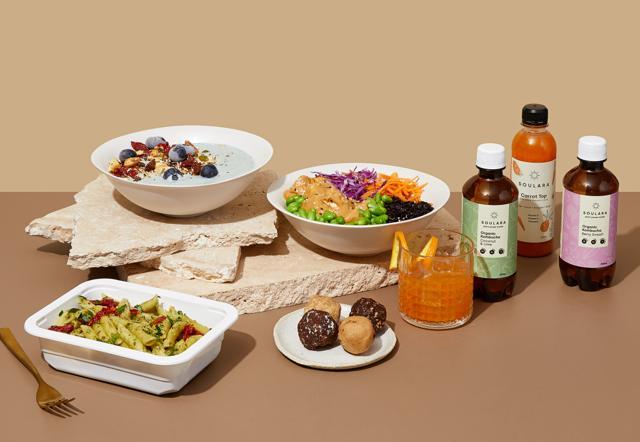
The Plant-Based Food & Beverages market is characterized by diverse segments including product type, source, category, and distribution channel, each with distinct growth dynamics. Understanding these segments is crucial for stakeholders aiming to capitalize on market opportunities. According to detailed market analysis, Plant-Based Dairy holds the largest share due to its established consumption patterns and widespread consumer acceptance, while Meat Substitutes are experiencing the fastest growth driven by technological innovations and increasing consumer demand for sustainable protein alternatives. Soy dominates the source segment, but Oat is gaining significant traction as a fast-growing ingredient. This segmentation analysis provides valuable insights into evolving consumer preferences and market trends .
Market Dynamics
Largest Product Segment: Plant-Based Dairy
Plant-based dairy held 37.12% of sales in 2025, with milk, yogurt, and cheese alternatives driving growth by meeting established consumption patterns . The segment maintains consistent demand, primarily from lactose-intolerant consumers. The dairy alternatives market continues to expand through product innovation, improved taste profiles, and enhanced nutritional formulations that replicate conventional dairy products . Plant-based milk and derivatives is further classified into plant-based milk, plant-based cheese, plant-based yogurt, plant-based butter, and others .
Fastest-Growing Product Segment: Meat Substitutes
Meat substitutes are expected to grow at the highest CAGR of 12.60% from 2026 to 2031 . This growth stems from improvements in high-moisture extrusion technology, expanded quick-service restaurant offerings, and increased consumer acceptance of plant-based proteins as meat alternatives . Technological innovations in mimicking meat texture and flavor, including extrusion and fermentation techniques, have enhanced product quality, accelerating adoption . Family-sized packaging is increasing its market presence, as evidenced by Impossible Foods' October 2024 launch of three family-oriented products . The plant-based meat segment is further sub-divided into tofu & tofu products, sausages & patties, seitan, tempeh, and others .
Largest Source Segment: Soy
Soy maintains a dominant 39.55% market share in 2025, supported by well-established global supply chains, efficient processing methods, and highly cost-effective protein concentration capabilities . Its versatile neutral flavor profile and comprehensive amino-acid composition make it the preferred choice for high-protein beverages, tofu products, and numerous plant-based applications . Soy-based products are widely used across plant-based dairy and meat alternatives .
Fastest-Growing Source Segment: Oat
Oat-based products demonstrate exceptional growth potential with a substantial 13.03% CAGR through 2031, primarily driven by their natural creamy texture, sustainable farming practices, and increasing consumer preference for clean-label products . The oat segment of the plant-based food and beverages market is projected to double within the decade, reflecting strong consumer acceptance and technological advancements in processing . In March 2024, Danone inaugurated a newly transformed production facility in France to produce oat-based drinks for the Alpro brand .
Emerging Source Segments: Almond and Pea
Almond and pea proteins continue to maintain significant market positions, with almond leveraging its established reputation in dairy alternatives through superior taste profiles and versatile applications . Pea protein offers comprehensive allergen-free solutions for meat alternatives, supported by improved extraction technologies and enhanced functionality . Emerging ingredients like watermelon seed milk represent innovative market expansion, effectively reducing supply chain dependencies and creating unique opportunities for product differentiation . This diversifying ingredient selection strengthens formulation capabilities and enables product innovation .
Largest Category Segment: Conventional
The conventional category currently holds the largest share in the plant-based food and beverages market. The segment includes products made from conventionally sourced ingredients without organic certification. The organic segment is growing steadily as consumers increasingly seek certified organic and clean-label products .
Largest Distribution Channel: Store-Based
Store-based distribution, including supermarkets and hypermarkets, convenience stores, and other retail outlets, dominates the plant-based food and beverages market . The availability of plant-based products in mainstream retail outlets is increasing as consumer demand grows. Non-store-based distribution, including e-commerce and online retail, is the fastest-growing channel .
Fastest-Growing Distribution Channel: Non-Store-Based (Online Retail)
Non-store-based distribution, particularly online retail and e-commerce, is the fastest-growing channel in the plant-based food and beverages market. Online platforms offer consumers convenience, a wider selection of products, and access to detailed product information . The rise of direct-to-consumer models and subscription services is also contributing to the growth of this channel.
Regional Outlook
Europe dominated the market with a share of 37.41% in 2020 . North America is the second-largest market, anticipated to register a CAGR of 10.77% . Asia Pacific is anticipated to exhibit the highest CAGR, driven by rapid urbanization, increasing disposable incomes, and growing health awareness . Singapore demonstrates regulatory leadership through its groundbreaking cultivated meat approvals .
Competitive Landscape
The Plant-Based Food & Beverages market features key players including Beyond Meat, Impossible Foods, Danone SA, Nestlé S.A., Tyson Foods, General Mills, and Oatly Group AB . These companies are focusing on innovation, strategic partnerships, and expanding product portfolios to capture market share.
Conclusion
The Plant-Based Food & Beverages market demonstrates diverse segment dynamics, with Plant-Based Dairy and Soy maintaining dominance while Meat Substitutes and Oat show strong growth. Store-based distribution leads the market, but Non-Store-based/Online Retail is expanding rapidly. These segmentation trends highlight the market's evolution toward more diverse, sustainable, and innovative plant-based solutions.
FAQs
1. Which product segment dominates the Plant-Based Food & Beverages market?
Plant-Based Dairy holds the largest share with 37.12% of sales in 2025, driven by established consumption patterns and demand from lactose-intolerant consumers .
2. Why is Oat the fastest-growing source segment?
Oat is growing at a 13.03% CAGR due to its natural creamy texture, sustainable farming practices, increasing consumer preference for clean-label products, and advancements in processing technology .

 English
 Arabic
 French
 Spanish
 Portuguese
 Deutsch
 Turkish
 Dutch
Dutch
 Italiano
 Russian
 Romaian
 Portuguese (Brazil)