


The OS for the Physical World: Deconstructing the Modern IoT Platform Market Platform
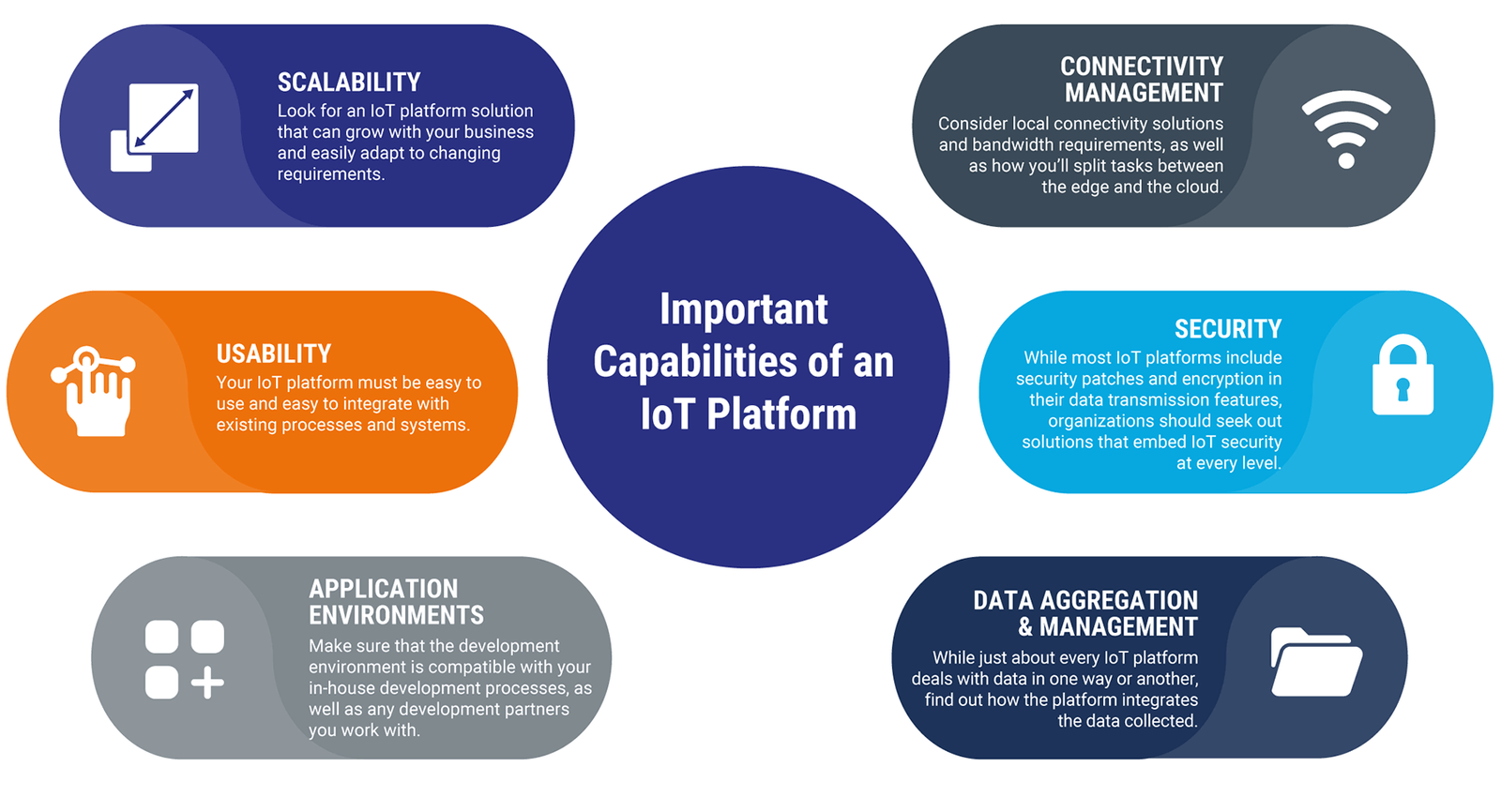
The digital nervous system that connects and makes sense of the physical world can be best understood as the modern IoT Platform Market Platform. This is a sophisticated, multi-layered software architecture designed to handle the unique challenges of managing a massive, distributed network of connected devices. The platform's primary function is to act as the essential middleware, abstracting away the immense complexity of the underlying hardware and networks, and providing a unified set of tools for developers and businesses to build IoT applications. The architecture of a modern IoT platform, typically delivered as a cloud-based service, can be conceptualized as a stack of interconnected layers, each performing a critical function: the connectivity and device management layer, the data ingestion and processing layer, the analytics layer, and the application enablement layer. The seamless integration of these layers is what transforms a collection of "dumb" sensors into an intelligent, data-generating network that can provide real-world business value and insights into previously opaque physical processes. This is the operating system for the Internet of Things.
The foundational layer of the IoT platform is responsible for connectivity and device management. This layer is the gateway to the physical world, providing the tools to securely connect and manage the lifecycle of every single device in the network. It must support a wide variety of communication protocols (like MQTT, HTTP, and CoAP) and network types (like Cellular, Wi-Fi, and LoRaWAN) to accommodate the diverse range of IoT devices. A key component of this layer is the "device registry," which maintains a unique identity and security credentials for every device. The platform provides tools for "zero-touch provisioning," allowing new devices to be securely and automatically onboarded to the network when they are first powered on. This layer also handles ongoing device management, including monitoring the health and connectivity status of each device, remotely configuring settings, and, crucially, managing over-the-air (OTA) firmware and software updates to patch security vulnerabilities or deploy new features. This ability to securely manage a fleet of potentially millions of devices remotely is a non-negotiable, foundational capability of any serious IoT platform.
Once devices are connected, they begin sending data, which flows into the data ingestion and processing layer. This layer is engineered to handle the massive volume, velocity, and variety of data that an IoT network can generate. It uses a scalable message broker to reliably ingest millions of messages per second from all the connected devices. A critical component of this layer is the "rules engine." The rules engine allows users to define simple "if-then" logic to process the incoming data in real-time. For example, a user could create a rule that says, "IF the temperature from sensor_123 exceeds 50 degrees Celsius, THEN trigger an alert and send an email to the maintenance team." This real-time processing is essential for applications that require immediate action. After real-time processing, the platform routes the data to a variety of storage solutions, typically a highly scalable time-series database or a data lake, where the historical data can be stored cost-effectively for long-term analysis and machine learning model training, creating a complete historical record of the physical world's state.
The top layers of the platform are where the raw data is transformed into business value. The analytics layer provides tools to analyze the vast amounts of historical data stored in the platform. This can range from simple data visualization tools for creating dashboards and charts to more advanced machine learning and AI services. A business could use these services to build a predictive maintenance model that analyzes historical vibration sensor data from a machine to predict when it is likely to fail. Finally, the application enablement layer provides the tools for developers to build custom applications on top of the IoT data. This includes a set of well-documented Application Programming Interfaces (APIs) that allow external applications to securely access device data, as well as low-code/no-code application development environments that allow non-developers to create simple IoT applications using a drag-and-drop interface. This layer is what allows a business to move beyond just monitoring its devices to creating new, value-added services and integrating IoT data into its core business processes, such as its ERP or CRM systems, thus completing the digital feedback loop.
Explore Our Latest Trending Reports:
 Deutsch
 English
 Arabic
 French
 Spanish
 Portuguese
 Turkish
 Dutch
Dutch
 Italiano
 Russian
 Romaian
 Portuguese (Brazil)
 Greek
Greek