


Emergency Lighting Certificate in London: Guide for Compliance and Safety
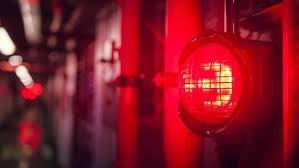
Emergency lighting plays a critical role in protecting occupants during emergencies such as fire outbreaks, power failures, or building evacuations. In London, businesses, landlords, property managers, and building owners are responsible for ensuring that emergency lighting systems are properly installed, tested, maintained, and certified.
An Emergency Lighting Certificate serves as proof that your emergency lighting system complies with relevant safety regulations and British Standards. Whether you manage an office, retail store, warehouse, school, hotel, or residential property, obtaining an Emergency Lighting Certificate is an important part of maintaining legal compliance and ensuring occupant safety.
This guide explains everything you need to know about Emergency Lighting Certificates in London, including their importance, legal requirements, testing procedures, and frequently asked questions.
What is an Emergency Lighting Certificate?
An Emergency Lighting Certificate in London is an official document issued by a qualified engineer or fire safety professional after inspecting, testing, installing, or maintaining an emergency lighting system.
The certificate confirms that:
- The system has been professionally inspected
- Emergency lights function correctly
- The installation complies with applicable standards
- Testing requirements have been met
- The property meets emergency lighting obligations
The certificate provides documented evidence that emergency lighting systems are capable of operating during power failures or emergencies.
Why is Emergency Lighting Important?
Emergency lighting is designed to illuminate escape routes and exits when normal lighting fails.
Safe Evacuation
Emergency lighting helps occupants safely leave a building during emergencies.
Reduces Panic
Proper lighting helps prevent confusion and panic during evacuations.
Improves Visibility
Emergency lights illuminate escape routes, staircases, exits, and fire safety equipment.
Supports Emergency Responders
Clear visibility assists firefighters and emergency personnel when responding to incidents.
Legal Compliance
Many buildings are legally required to install and maintain emergency lighting systems.
Who Needs an Emergency Lighting Certificate in London?
Emergency lighting certification may be required for various types of properties, including:
- Offices
- Retail shops
- Restaurants
- Hotels
- Warehouses
- Schools
- Healthcare facilities
- Apartment buildings
- HMOs (Houses in Multiple Occupation)
- Industrial premises
- Public buildings
Property owners and responsible persons must ensure emergency lighting systems remain operational and compliant.
Emergency Lighting Regulations in London
Emergency lighting systems are generally installed and maintained in accordance with:
Regulatory Reform (Fire Safety) Order 2005
This legislation places fire safety responsibilities on property owners and employers.
BS 5266
BS 5266 is the British Standard covering:
- Design
- Installation
- Testing
- Inspection
- Maintenance of emergency lighting systems
Compliance with BS 5266 helps ensure emergency lighting systems perform effectively during emergencies.
Types of Emergency Lighting
Escape Route Lighting
Provides illumination for designated evacuation routes.
Open Area Lighting
Helps prevent panic in larger spaces by providing sufficient visibility.
High-Risk Task Area Lighting
Protects individuals carrying out potentially dangerous tasks during power failures.
Exit Sign Lighting
Illuminates emergency exit signs and directional indicators.
What Does an Emergency Lighting Inspection Include?
A professional inspection typically includes:
Visual Inspection
Engineers check the condition of emergency lighting fixtures and components.
Functional Testing
Lights are tested to ensure they activate correctly during power failures.
Battery Testing
Backup batteries are examined to verify they provide sufficient power.
Duration Testing
Emergency lights are tested to confirm they operate for the required period.
Control Equipment Checks
Control units and monitoring systems are inspected.
Documentation Review
Maintenance records and testing logs may be reviewed.
Benefits of Having an Emergency Lighting Certificate
Demonstrates Compliance
Certification provides evidence that safety obligations have been fulfilled.
Improves Occupant Safety
Regular testing ensures emergency lighting systems function when needed.
Supports Insurance Requirements
Insurers may request proof of fire safety and emergency lighting compliance.
Reduces Legal Risks
Maintaining certified systems helps reduce liability exposure.
Enhances Building Management
Certificates provide clear documentation for audits and inspections.
How Often Should Emergency Lighting Be Tested?
Emergency lighting systems require routine testing to ensure reliability.
Monthly Testing
A brief functional test is usually carried out every month.
Annual Testing
A full-duration test is typically performed once per year.
Routine Maintenance
Regular inspections help identify faults before they become serious issues.
Testing schedules may vary depending on building type and risk assessment requirements.
Common Emergency Lighting Problems
During inspections, engineers may identify issues such as:
- Failed batteries
- Damaged fittings
- Inadequate illumination
- Faulty wiring
- Non-functioning exit signs
- Poor maintenance records
Prompt repairs help maintain safety and compliance.
How to Obtain an Emergency Lighting Certificate in London
Step 1: Arrange an Inspection
Contact a qualified emergency lighting specialist.
Step 2: System Assessment
The engineer evaluates the installation and condition of the system.
Step 3: Testing
All emergency lighting components are tested.
Step 4: Repairs (If Needed)
Any faults identified during inspection are repaired.
Step 5: Certification
If the system meets requirements, an Emergency Lighting Certificate is issued.
Choosing an Emergency Lighting Service Provider
When selecting a provider, consider:
Experience
Choose a company with expertise in fire safety and emergency lighting systems.
Qualifications
Verify that engineers are properly trained and certified.
Knowledge of Standards
Ensure the provider understands BS 5266 and fire safety regulations.
Reputation
Check reviews and customer feedback.
Comprehensive Services
Look for companies offering installation, maintenance, testing, and certification.
Importance for Businesses in London
Businesses have a duty to protect employees, customers, and visitors.
Certified emergency lighting systems help:
- Improve workplace safety
- Meet legal obligations
- Protect company reputation
- Reduce operational risks
- Prepare for inspections and audits
Investing in regular testing and certification demonstrates a commitment to safety and responsible property management.
Conclusion
An Emergency Lighting Certificate in London is a vital document that confirms your emergency lighting system has been professionally inspected, tested, and maintained in accordance with applicable standards. Whether you manage a commercial property, residential building, school, hotel, or industrial facility, emergency lighting plays a crucial role in ensuring safe evacuation during emergencies.
Regular testing, maintenance, and certification not only improve safety but also help demonstrate compliance with fire safety regulations. By working with qualified professionals, property owners can ensure their emergency lighting systems remain reliable, effective, and fully compliant.
Frequently Asked Questions (FAQs)
1. What is an Emergency Lighting Certificate?
An Emergency Lighting Certificate confirms that an emergency lighting system has been inspected, tested, and found compliant with relevant standards.
2. Is emergency lighting mandatory in London?
Many commercial, industrial, and residential properties are required to have suitable emergency lighting systems.
3. Which standard applies to emergency lighting?
BS 5266 is the primary British Standard covering emergency lighting systems.
4. Who can issue an Emergency Lighting Certificate?
Qualified engineers and certified fire safety professionals can issue certificates following inspection and testing.
5. How often should emergency lighting be tested?
Monthly functional tests and annual full-duration tests are generally recommended.
6. Why is emergency lighting important?
It helps occupants safely evacuate buildings during power failures or emergencies.
7. What happens if faults are found during inspection?
Necessary repairs should be completed before certification can be issued.
8. Does emergency lighting affect insurance requirements?
Yes, insurers may request evidence that emergency lighting systems are properly maintained.
9. Which buildings need emergency lighting?
Offices, hotels, schools, warehouses, HMOs, retail stores, and many other properties may require emergency lighting.
10. How long is an Emergency Lighting Certificate valid?
Validity depends on maintenance schedules and ongoing compliance requirements, with regular testing required throughout the year.

 English
 Arabic
 French
 Spanish
 Portuguese
 Deutsch
 Turkish
 Dutch
Dutch
 Italiano
 Russian
 Romaian
 Portuguese (Brazil)