


Voice Authentication and Liveness Checks: Strengthening Digital Identity Security
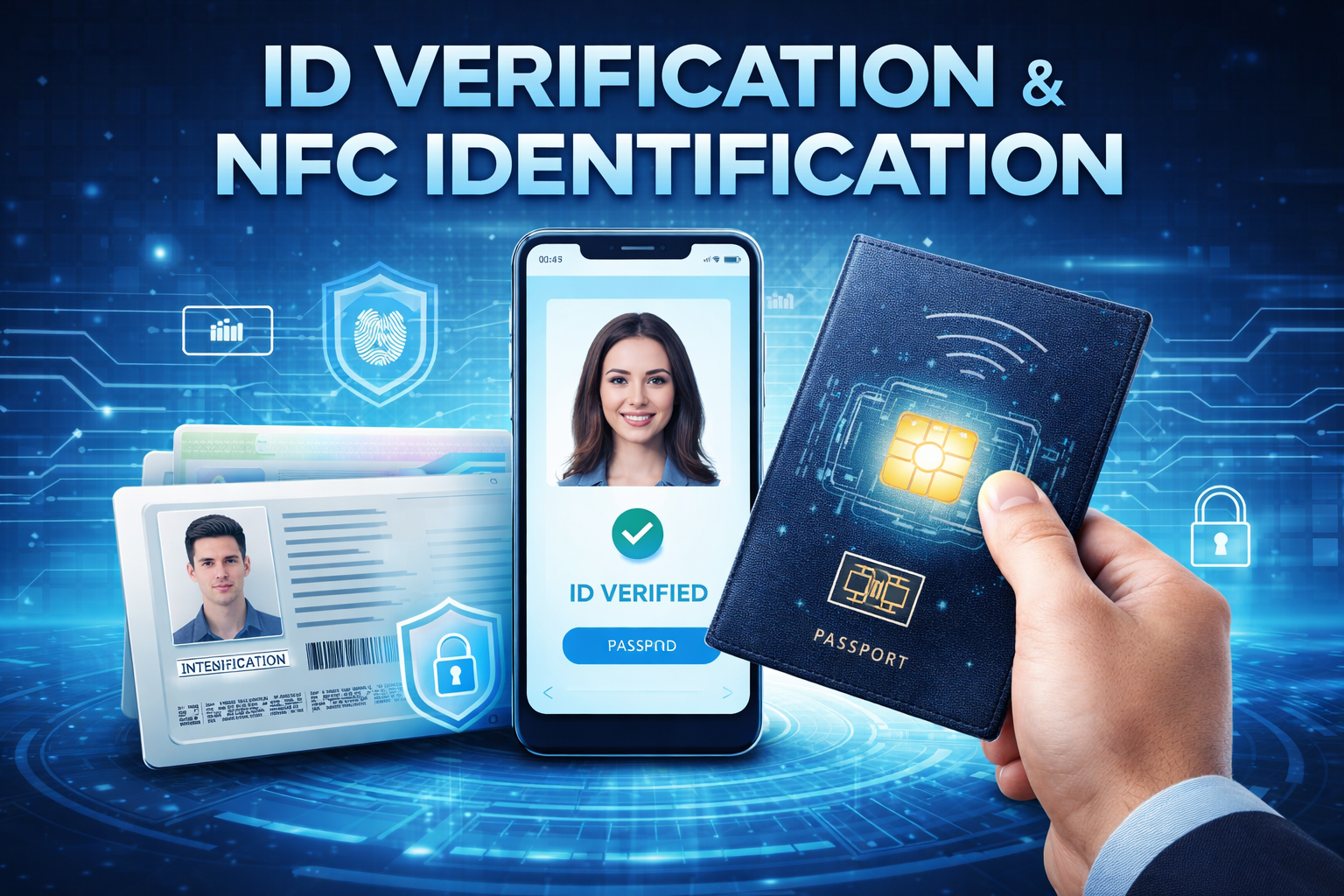
As digital services continue to expand across banking, healthcare, fintech, and e-commerce platforms, organizations face increasing challenges in verifying user identities securely. Traditional authentication methods such as passwords and PINs are becoming less effective against sophisticated cyber threats. This has led to the rapid adoption of voice authentication and liveness checks, two advanced technologies that help businesses enhance security while delivering a seamless user experience.
What Is Voice Authentication?
Voice authentication is a biometric security technology that verifies a person's identity based on unique vocal characteristics. Just as every individual has a distinct fingerprint, each person's voice contains unique features such as tone, pitch, cadence, and speech patterns. These characteristics are analyzed and converted into a digital voiceprint that can be used for secure identity verification.
Voice authentication enables users to access accounts, authorize transactions, and verify their identities simply by speaking a phrase or responding to a prompt. This technology eliminates the need to remember complex passwords while providing a higher level of security.
Businesses across industries are increasingly implementing voice authentication to reduce fraud, improve customer experiences, and streamline verification processes.
The Importance of Liveness Checks
While biometric technologies provide strong security, fraudsters continually develop methods to bypass them using recorded audio, deepfakes, or synthetic voices. This is where liveness checks play a critical role.
Liveness checks are designed to determine whether a biometric sample is coming from a real, live person rather than a spoofing attempt. During voice verification, liveness detection analyzes various indicators, including speech dynamics, natural vocal behavior, environmental factors, and real-time responses.
Advanced liveness checks can identify attempts to use pre-recorded voices, AI-generated speech, or manipulated audio files. By confirming the presence of a genuine user, organizations can significantly reduce the risk of identity fraud and account takeover attacks.
Benefits of Combining Voice Authentication and Liveness Checks
The integration of voice authentication with liveness checks creates a powerful security framework. Key benefits include:
- Enhanced protection against spoofing and deepfake attacks.
- Faster and more convenient user verification.
- Reduced reliance on passwords and security questions.
- Improved customer experience across digital channels.
- Compliance with modern identity verification standards.
- Increased trust and security for online transactions.
This combination ensures that organizations verify not only who is speaking but also whether the speaker is physically present during the authentication process.
Future of Secure Identity Verification
As cyber threats become more sophisticated, businesses must adopt advanced biometric solutions to stay ahead of fraudsters. Voice authentication combined with robust liveness checks offers a highly secure, user-friendly, and scalable approach to digital identity verification.
Organizations that invest in these technologies can strengthen security, improve operational efficiency, and build greater customer confidence. In a world where digital trust is essential, voice authentication and liveness checks are becoming fundamental components of modern identity verification strategies.

 English
 Arabic
 Spanish
 Portuguese
 Deutsch
 Turkish
 Dutch
Dutch
 Italiano
 Russian
 Romaian
 Portuguese (Brazil)
 Greek
Greek