


Polyelectrolyte Coated Nanoparticle SPION Guide
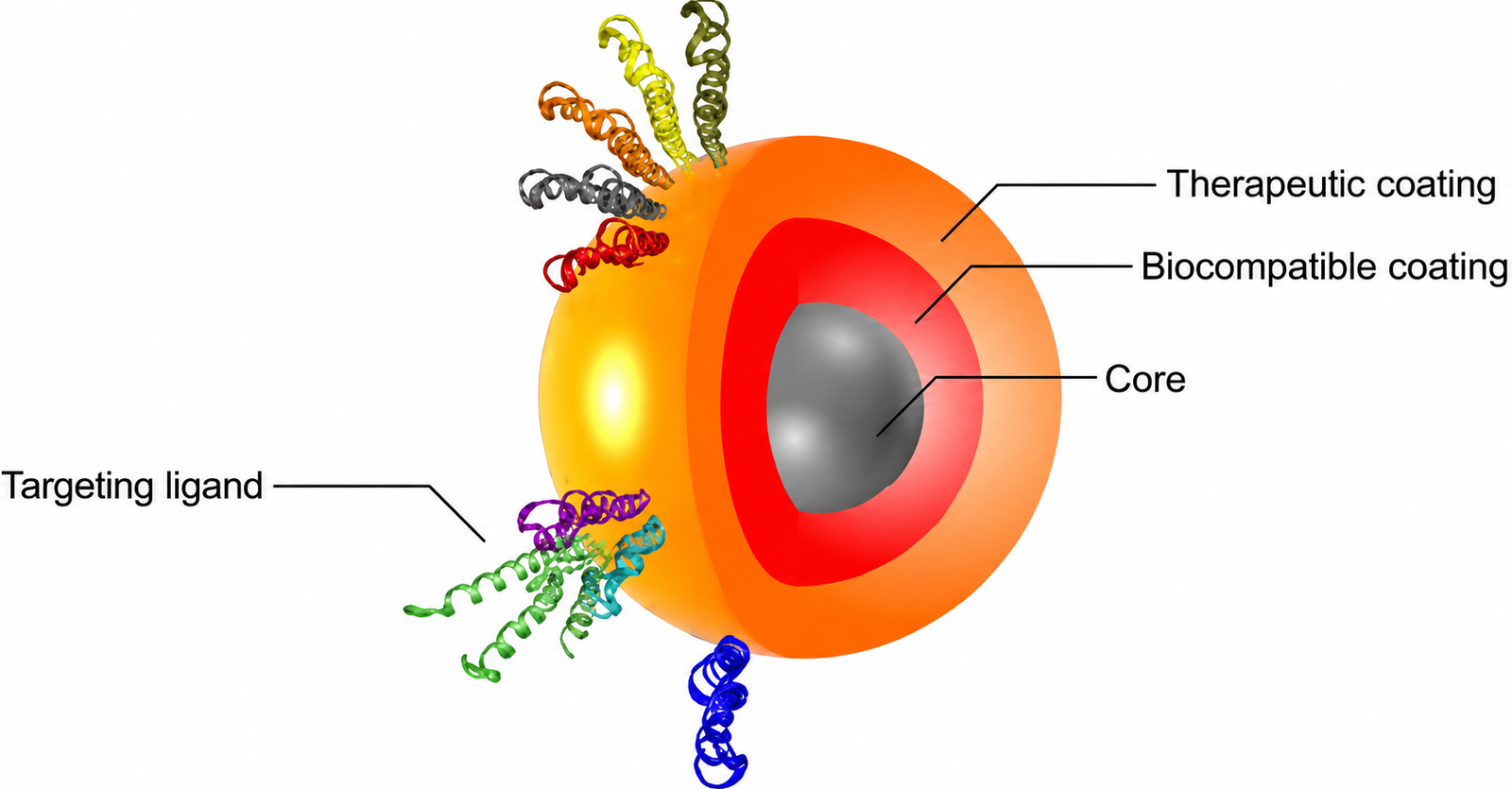
Polyelectrolyte coated nanoparticle SPION (Superparamagnetic Iron Oxide Nanoparticles) has become an important area of research in nanotechnology and biomedical science. These nanoparticles combine the magnetic properties of iron oxide with the protective and functional characteristics of polyelectrolyte coatings. The coating improves stability, biocompatibility, and surface functionality, making SPIONs suitable for drug delivery, magnetic resonance imaging (MRI), biosensing, tissue engineering, and cancer therapy. Researchers continue to develop advanced coating techniques that enhance the performance of these nanoparticles in clinical and industrial applications. As nanomedicine grows rapidly, polyelectrolyte coated SPIONs are expected to play a significant role in developing safer and more effective diagnostic and therapeutic technologies.
What Are SPIONs?
Superparamagnetic Iron Oxide Nanoparticles, commonly known as SPIONs, are nanoparticles composed mainly of magnetite (Fe₃O₄) or maghemite (γ-Fe₂O₃). Their size typically ranges from 10 to 100 nanometers, allowing them to exhibit superparamagnetic behavior. Unlike bulk magnetic materials, SPIONs become magnetic only in the presence of an external magnetic field and lose their magnetization once the field is removed. This unique property makes them ideal for biomedical applications because they minimize particle aggregation and reduce unwanted magnetic interactions inside the human body. Their magnetic responsiveness enables targeted drug delivery and high-quality imaging.
Understanding Polyelectrolyte Coatings
Polyelectrolytes are polymers that contain multiple charged groups along their molecular chains. Depending on their charge, they are classified as positively charged (cationic), negatively charged (anionic), or amphoteric. When these polymers are coated onto SPIONs, they create a stable shell that protects the magnetic core from oxidation and aggregation. The coating also provides active chemical groups that can be modified with drugs, antibodies, peptides, or DNA molecules. Common polyelectrolytes include polyallylamine hydrochloride (PAH), polyacrylic acid (PAA), polyethyleneimine (PEI), and sodium polystyrene sulfonate (PSS).
Structure of Polyelectrolyte Coated SPIONs
The structure of these nanoparticles consists of three major components. The inner core is made of iron oxide, providing magnetic functionality. The intermediate layer is the polyelectrolyte coating that stabilizes the nanoparticle and protects it from environmental degradation. The outer surface may contain biomolecules such as antibodies, enzymes, targeting ligands, or therapeutic drugs. This layered architecture allows researchers to customize nanoparticles according to specific medical or industrial applications while maintaining excellent stability and functionality.
Synthesis Methods
Several methods are used to synthesize polyelectrolyte coated nanoparticle SPIONs. The co-precipitation method is one of the most common because it is simple, cost-effective, and suitable for large-scale production. Thermal decomposition produces highly uniform nanoparticles with excellent magnetic properties but requires specialized equipment. Hydrothermal synthesis improves particle crystallinity and stability. Microemulsion techniques provide better control over particle size and morphology. After synthesis, the nanoparticles are coated with polyelectrolytes using adsorption techniques or layer-by-layer assembly to achieve the desired surface characteristics.
Layer-by-Layer Coating Technique
One of the most effective coating methods is the layer-by-layer (LbL) assembly process. This technique involves alternately depositing positively and negatively charged polyelectrolytes on the nanoparticle surface. Each layer is held together by electrostatic interactions, creating a highly controlled multilayer coating. The thickness and composition of the coating can be adjusted according to the intended application. The LbL approach improves stability, drug loading capacity, and controlled release while allowing multiple functional molecules to be incorporated into the nanoparticle surface.
Key Properties
Polyelectrolyte coated SPIONs possess several remarkable properties that distinguish them from uncoated nanoparticles. They exhibit excellent colloidal stability in biological fluids, high magnetic responsiveness under external magnetic fields, enhanced biocompatibility, and improved resistance to oxidation. The presence of functional groups on the coating facilitates chemical modification and targeted delivery. Their nanoscale dimensions enable efficient cellular uptake while minimizing toxicity. These combined properties make them valuable tools for advanced biomedical technologies.
Biomedical Applications
The biomedical field represents one of the largest application areas for polyelectrolyte coated nanoparticle SPIONs. These nanoparticles serve as contrast agents in MRI, allowing physicians to obtain clearer diagnostic images. They are widely investigated for targeted drug delivery systems, where magnetic fields guide therapeutic agents directly to diseased tissues. Researchers are also exploring their use in magnetic hyperthermia, where alternating magnetic fields generate localized heat to destroy cancer cells. Additional applications include gene delivery, biosensors, stem cell tracking, and tissue engineering.
Drug Delivery Systems
Targeted drug delivery is one of the most promising applications of polyelectrolyte coated SPIONs. The polyelectrolyte shell enables efficient loading of various therapeutic compounds, including anticancer drugs, antibiotics, proteins, and nucleic acids. External magnetic fields can direct these nanoparticles toward specific organs or tumors, reducing systemic side effects and improving treatment efficiency. Controlled drug release mechanisms can also be designed by modifying the chemical properties of the coating, enabling sustained and site-specific therapeutic effects.
MRI Contrast Enhancement
Magnetic resonance imaging requires effective contrast agents to improve image quality. Polyelectrolyte coated SPIONs provide excellent contrast enhancement due to their strong magnetic properties. Their coatings increase circulation time in the bloodstream and reduce rapid clearance by the immune system. Surface modification with targeting molecules allows selective accumulation in tumors or inflamed tissues, enabling earlier disease detection and more accurate diagnosis compared to conventional imaging agents.
Cancer Therapy
Cancer treatment has greatly benefited from research involving SPION-based nanotechnology. Magnetic hyperthermia uses alternating magnetic fields to generate localized heat from SPIONs, selectively destroying tumor cells while minimizing damage to healthy tissues. In addition, chemotherapy drugs attached to polyelectrolyte coated SPIONs can be delivered directly to cancer cells, improving treatment effectiveness and reducing adverse side effects. Combination therapies involving imaging and treatment, known as theranostics, are also emerging as promising clinical strategies.
Advantages
The advantages of polyelectrolyte coated nanoparticle SPIONs include enhanced stability, improved dispersibility, customizable surface chemistry, reduced toxicity, and excellent magnetic responsiveness. They support multifunctional applications by enabling simultaneous imaging, targeted therapy, and biosensing. Their coatings protect the iron oxide core from degradation while providing opportunities for attaching a wide range of biological molecules. These benefits have positioned SPIONs as leading candidates in nanomedicine and precision healthcare.
Challenges
Despite significant progress, several challenges remain. Large-scale manufacturing with consistent quality remains difficult. Long-term biocompatibility and biodegradation require further investigation before widespread clinical use. Regulatory approval processes demand comprehensive safety evaluations. Particle aggregation under certain physiological conditions and potential immune responses continue to be areas of active research. Scientists are developing improved coating materials and synthesis methods to overcome these limitations.
Future Perspectives
Future research on polyelectrolyte coated nanoparticle SPIONs focuses on developing smarter, multifunctional nanoparticles capable of diagnosis, therapy, and real-time monitoring. Artificial intelligence and nanotechnology may help optimize nanoparticle design for personalized medicine. Researchers are also exploring biodegradable coatings, environmentally friendly synthesis methods, and advanced targeting strategies. As technology advances, these nanoparticles are expected to become integral components of precision medicine, regenerative therapies, and next-generation diagnostic systems.
Conclusion
Polyelectrolyte coated nanoparticle SPIONs represent a remarkable advancement in nanotechnology and biomedical engineering. Their combination of magnetic functionality, biocompatibility, and customizable surface chemistry enables a wide range of applications, including MRI imaging, targeted drug delivery, cancer treatment, biosensing, and tissue engineering. While challenges related to safety, manufacturing, and regulatory approval remain, ongoing research continues to improve their performance and clinical potential. As innovations in nanomedicine progress, polyelectrolyte coated SPIONs are likely to become essential tools for improving disease diagnosis, personalized therapy, and advanced healthcare solutions.

 English
 Arabic
 French
 Spanish
 Portuguese
 Deutsch
 Turkish
 Dutch
Dutch
 Italiano
 Romaian
 Portuguese (Brazil)
 Greek
Greek