


Simple vs. Surgical Extraction: What Does the Difference Mean for Your Recovery
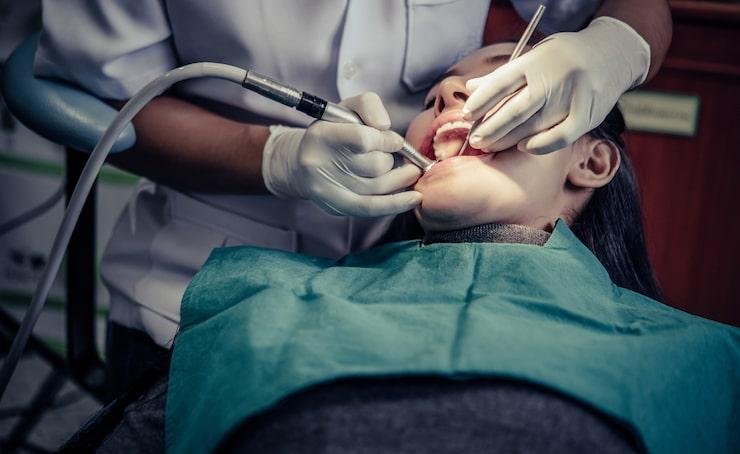
Not every tooth comes out the same way. Two people can sit in the same dental chair for an extraction and leave with very different recovery experiences. One may be back to normal the next day, while the other spends several days managing swelling and taking it easy. The reason often comes down to the type of extraction required. Recovery is often the biggest concern for people preparing for a tooth extraction.
During consultations with an oral surgeon in Hudson, NH, many patients are surprised to learn that the procedure itself is only part of the story. The condition of the tooth beneath the gumline can have a major impact on the healing process.
A Tooth's Position Changes Everything
Imagine trying to pull a nail from a piece of wood. If the nail is fully exposed, removal is usually straightforward. If most of it is buried beneath the surface, extra steps become necessary.
Teeth work much the same way. A tooth that is fully visible and easily accessible generally qualifies for a simple extraction. Teeth hidden under gum tissue, trapped in bone, or broken near the gumline often require a surgical approach.
This difference may sound minor, yet it affects healing in several ways.
The Recovery Clock Starts Before the Tooth Is Removed
Many people focus on the extraction day itself. Oral surgeons often look much further ahead. Age, bone density, smoking habits, existing infections, and overall health can all influence healing speed. A healthy teenager having a surgical wisdom tooth removed may recover faster than an older adult undergoing a routine extraction.
Treatment planning involves more than removing a tooth. The goal is to create conditions that allow the body to repair itself efficiently afterward.
Why Some Extractions Feel Surprisingly Easy
Simple extractions usually involve less disturbance to the surrounding tissues. Since the tooth is already accessible, there is often no need to create an opening in the gum or remove supporting bone.
Most patients notice:
-
Mild tenderness
-
Limited swelling
-
Minimal disruption to daily activities
-
Faster return to normal eating habits
Data published in oral health studies suggests that many uncomplicated extractions show noticeable improvement within the first 48 hours. Small variations are normal, but recovery tends to move quickly when the surrounding structures remain largely untouched.
When Extra Steps Lead to Better Results
The word "surgical" sounds intimidating to many patients. In reality, it often represents the safest way to remove a difficult tooth. A wisdom tooth growing sideways, for example, may place pressure on neighboring teeth. Attempting a standard extraction could increase the risk of complications. Creating controlled access allows the tooth to be removed more carefully.
An experienced oral surgeon in Nashua may divide a large tooth into smaller sections before removal. This technique reduces unnecessary stress on the jaw and surrounding tissues. Sometimes, the more advanced procedure actually protects the area better.
What Your Face May Tell You During Recovery
Healing creates visible clues. Simple extractions often produce little change in facial appearance. Surgical procedures can trigger temporary swelling as part of the body's natural response.
Swelling generally follows a predictable pattern:
-
Day 1, mild inflammation begins
-
Day 2 to 3, swelling reaches its highest point
-
Day 4 onward, gradual improvement occurs
This process can seem alarming if patients are not expecting it. In most cases, it is simply evidence that the body's repair system is doing its job.
The Hidden Work Happening Beneath the Surface
Many people judge recovery by what they see in the mirror. The most important healing activity actually happens out of sight. A protective blood clot forms inside the extraction site shortly after treatment. New tissue gradually develops around that area. Bone cells then begin rebuilding the foundation beneath the gums.
Scientists estimate that significant bone remodeling can continue for several months after an extraction. The mouth may appear healed long before deeper structures finish repairing themselves. Patience plays an important role during this phase.
Recovery Is Not Measured in Days Alone
One common misconception is that healing follows a fixed timeline. Some individuals bounce back remarkably fast. Others progress more gradually despite doing everything correctly. Genetics, immune response, nutrition, and lifestyle habits all contribute to recovery outcomes.
Clinicians offering affordable oral surgery often remind patients that comparison can be misleading. A friend's experience may look completely different despite having the same procedure.
The body's healing response is highly personal.
Small Choices Can Make a Big Difference
Recovery is influenced by hundreds of tiny decisions made during the first week. Soft foods reduce unnecessary pressure. Good hydration supports tissue repair. Adequate sleep allows the immune system to function more effectively.
Simple habits often have a greater impact than people realize:
-
Avoiding tobacco products
-
Following medication instructions carefully
-
Limiting strenuous activity initially
-
Keeping the treatment area clean
Consistent care supports smoother healing regardless of the extraction type.
Give Your Mouth the Recovery Advantage It Deserves
The difference between simple and surgical extraction extends far beyond the procedure itself. It influences swelling, healing speed, aftercare needs, and the overall recovery experience. Understanding these differences helps set realistic expectations and reduces unnecessary worry.
The oral surgeon in Hudson, NH can provide valuable insight into the factors affecting your specific case, helping you move through recovery with greater confidence and a clearer understanding of what lies ahead.

 English
 Arabic
 French
 Spanish
 Portuguese
 Deutsch
 Turkish
 Dutch
Dutch
 Italiano
 Russian
 Romaian
 Portuguese (Brazil)