


Computing Power Market Analysis Reveals Shifting Strategic Priorities
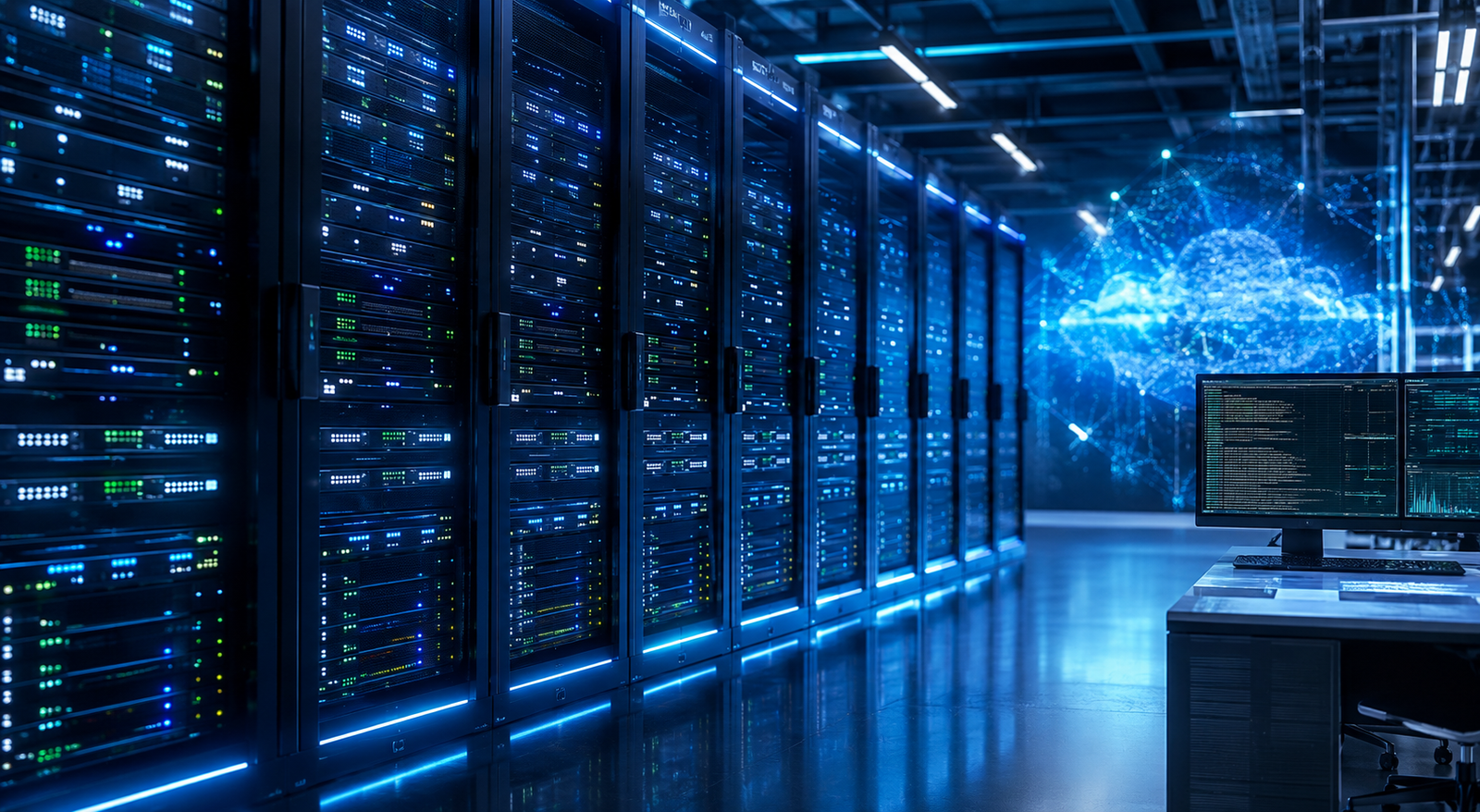
The Computing Power Market Analysis reveals a sector experiencing a fundamental shift in strategic priorities, moving from simple resource provision to integrated, sustainable, and AI-native infrastructure. A core finding is the unprecedented demand surge driven by generative AI and AI agents . According to the National Data Bureau, China's daily average Token calls exceeded 140 trillion in March 2026, a 1400-fold increase compared to 100 billion at the beginning of 2024 . This explosive demand has led to a structural computing shortage spanning chips, cloud services, and data center components, creating a seller's market for computing resources .
A critical finding of the market analysis is the physical bottleneck in power supply, which is constraining data center expansion. Data centers currently account for 5% of U.S. electricity demand, a figure expected to triple by 2035 . In Virginia, the densest data center region globally, this proportion already exceeds 25%. These power constraints have led to project delays, with over 60% of data center projects scheduled for completion in 2027 not yet under construction . In the first quarter of 2025 alone, delayed data center projects across the U.S. were valued at approximately USD 130 billion . Public opposition is also growing, with 70% of Americans opposing data centers near their homes, leading to at least 75 blocked or delayed projects in early 2026 .
The analysis also highlights the emergence of new business models, particularly the monetization of computing power. Meta announced plans to lease some of its idle AI computing power, triggering volatility in the market . This move is not a sign of a computing surplus but an upgrade in asset efficiency, transforming GPU clusters from cost centers into revenue-generating assets . Morgan Stanley estimates that leasing 250MW of computing power could generate approximately USD 10 billion in revenue for Meta . Similarly, xAI has leased out computing power to Anthropic, securing a monthly rent of USD 1.25 billion . This trend is creating a new class of "computing landlords," accelerating the shift toward computing as a service .
Looking forward, the market analysis projects the continued dominance of a "structural mismatch" in computing power supply. While some low-end general-purpose computing sits idle, the gap in high-end intelligent computing power for large model training remains as high as 40% . Key financial indicators underscore this dynamic: Nvidia's data center revenue surged 92% year-on-year in its latest quarter, and TSMC's CEO explicitly stated that supply will still not meet demand in the coming years . The future of the market will be defined by the "computing-power coordination" model, where data centers participate in grid frequency regulation and renewable energy consumption, transforming computing into a core underlying infrastructure for the AI era .
Top Trending Reports
 Dutch
Dutch
 English
 Arabic
 French
 Spanish
 Portuguese
 Deutsch
 Turkish
 Italiano
 Russian
 Romaian
 Portuguese (Brazil)
 Greek
Greek