


How Long Do PRP Hair Treatment Results Last?
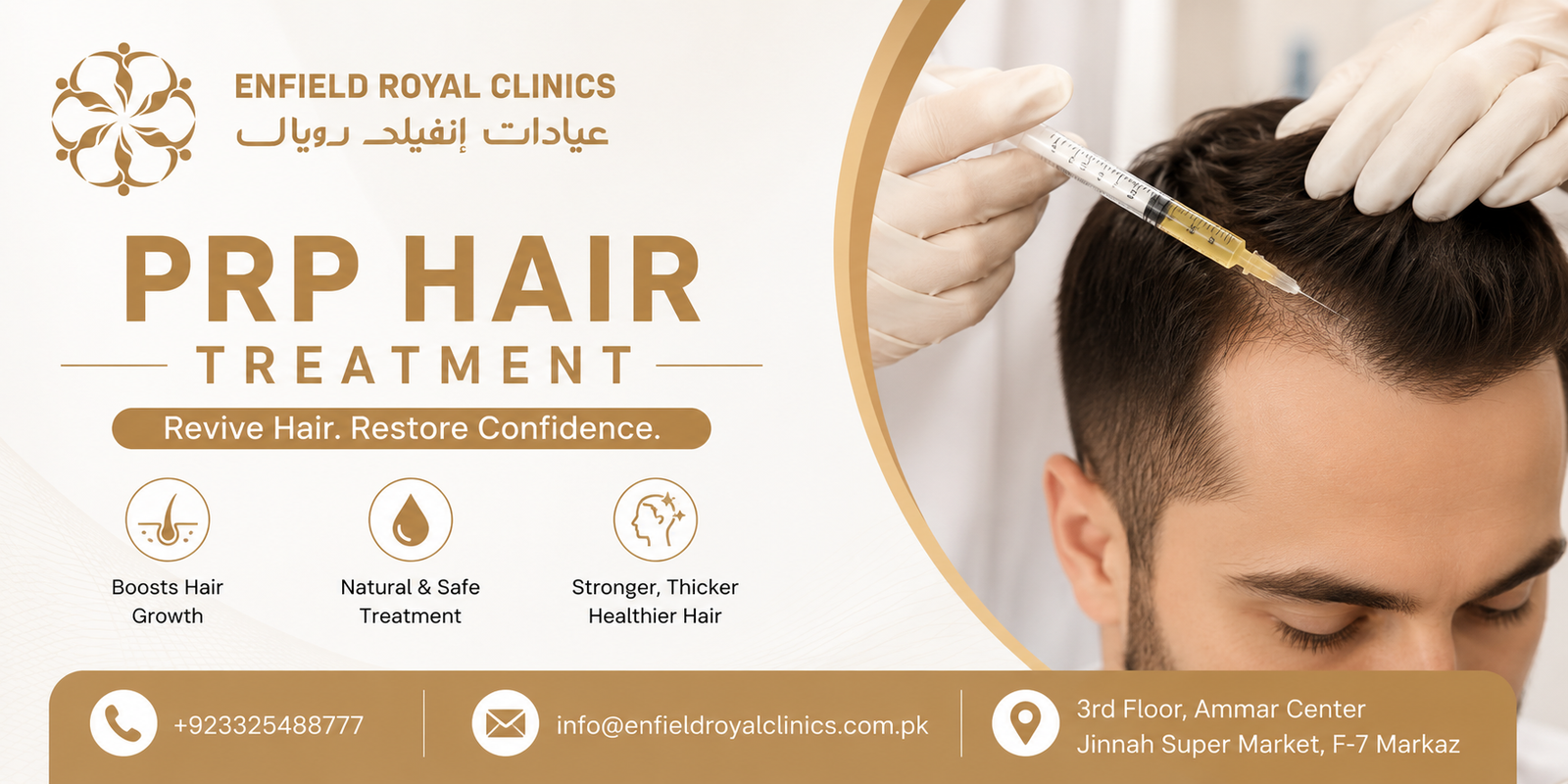
Hair restoration is not usually a one-time process. Even when a treatment produces visible improvement, the underlying cause of hair loss may continue to affect the follicles over time. This is why many people considering PRP hair treatment want to know how long the results are likely to last.
PRP uses platelet-rich plasma prepared from the patient's own blood. After a small blood sample is processed, the concentrated plasma is introduced into selected areas of the scalp. The growth factors and other biological components in platelets may help support weakened hair follicles.
The duration of improvement varies from person to person. Factors such as the cause of hair loss, treatment schedule, follicle condition, general health, and ongoing hair loss can all influence how long the benefits remain noticeable.
How Long Can the Results Last?
There is no guaranteed duration for everyone. Some patients may continue to notice improvements for several months after completing an initial treatment course, while others may experience a shorter or longer period of benefit.
Hair growth occurs in cycles, so the effects do not appear or disappear suddenly. A person may gradually notice changes in hair thickness, shedding, or density over time.
Because genetic hair loss can continue progressing, treatment results may become less noticeable if the underlying condition is not managed.
Why Do Results Fade Over Time?
PRP does not permanently change the genetic factors responsible for conditions such as androgenetic alopecia. Instead, it is generally used to support existing follicles and their surrounding environment.
If the underlying hair loss process continues, follicles may gradually become weaker again. This can eventually reduce the visible improvement achieved through treatment.
For this reason, maintaining healthy hair often requires a long-term strategy rather than relying on a single course of treatment.
Are Maintenance Sessions Needed?
Some patients may benefit from maintenance sessions after completing an initial series. The purpose of maintenance treatment is to provide continued support when the provider believes it may be useful.
There is no universal maintenance schedule. The timing can depend on the patient's response, degree of thinning, and whether hair loss continues.
A provider may assess hair density and thickness during follow-up appointments before recommending additional sessions. This approach helps avoid unnecessary treatment and allows the plan to be adjusted according to individual progress.
What Factors Affect How Long Results Last?
Several factors can influence the longevity of improvement.
Cause of Hair Loss
The reason behind hair thinning is one of the most important considerations. Genetic hair loss can continue over time, while temporary shedding caused by a specific illness or nutritional issue may follow a different course.
Stage of Hair Loss
People with early thinning and viable follicles may respond differently from those with advanced follicular loss. Treatment is generally intended to support follicles that are still present.
Treatment Schedule
Following an appropriate treatment plan can influence the overall response. Some patients may need an initial series followed by periodic maintenance.
Individual Biology
Age, genetics, hormones, general health, and natural hair growth cycles can all affect how long improvement remains visible.
Scalp and Hair Health
A healthy scalp environment can support better hair quality. Conditions affecting the scalp may interfere with overall results and should be addressed appropriately.
When Do Results Usually Begin?
The timeline for seeing results is different from the timeline for maintaining them. Hair does not grow immediately after treatment.
Some patients may notice changes in shedding or hair texture before visible improvements in density. More noticeable changes may take several months because follicles follow natural growth cycles.
Once improvement develops, it may gradually change rather than remaining exactly the same from month to month.
Can Lifestyle Affect the Results?
Overall health can play a role in maintaining healthy-looking hair. A balanced diet containing adequate protein, vitamins, and minerals supports normal hair growth.
Managing ongoing stress, avoiding excessive heat or chemical damage, and maintaining appropriate scalp care can also help protect existing hair.
However, lifestyle improvements cannot necessarily stop genetically driven hair loss. They should be viewed as part of general hair care rather than a replacement for professional treatment.
Can PRP Permanently Stop Hair Loss?
PRP should not be considered a permanent cure for hair loss. It may help support existing follicles, but it does not eliminate the genetic or hormonal factors that can contribute to progressive thinning.
For people with pattern hair loss, long-term management may involve more than one approach. Depending on the diagnosis, a provider may recommend combining regenerative treatment with other clinically appropriate options.
A personalized plan can help address both current thinning and the factors that may contribute to future loss.
What Happens If Hair Starts Thinning Again?
If hair begins to thin again after an initial improvement, it does not necessarily mean the treatment failed. Hair loss can continue naturally, particularly when the underlying condition is progressive.
A follow-up evaluation can help determine why changes are occurring. The provider may compare photographs, assess the scalp, and review the previous treatment response.
Additional treatment may be considered if appropriate, but the decision should be based on professional assessment rather than simply repeating sessions automatically.
Who Is More Likely to Maintain Good Results?
People with early or moderate thinning and viable follicles may have greater potential for maintaining a noticeable improvement. Realistic expectations and consistent follow-up are also important.
Those who address underlying factors contributing to hair loss and follow an appropriate long-term management plan may be better positioned to preserve their existing hair.
However, no treatment can guarantee identical results for every individual.
Final Thoughts
So, how long do PRP hair treatment results last? The duration varies between individuals and may depend on the cause of hair loss, follicle health, treatment schedule, and ongoing progression of thinning. Improvements can continue for months, but they may gradually decrease as the underlying hair loss process continues.
Some patients may benefit from maintenance sessions, while others may require a broader hair restoration strategy. The best approach depends on the individual's diagnosis and response.
A professional assessment and regular follow-up can help determine whether maintenance treatment is appropriate and provide a realistic long-term plan for preserving healthier-looking hair.
For more information visit Enfield royal clinic in islamabad

 English
 Arabic
 Spanish
 Portuguese
 Deutsch
 Turkish
 Dutch
Dutch
 Italiano
 Russian
 Romaian
 Portuguese (Brazil)
 Greek
Greek