


Affordable Dental Care Without Insurance: Understanding Your Options in Clermont, FL
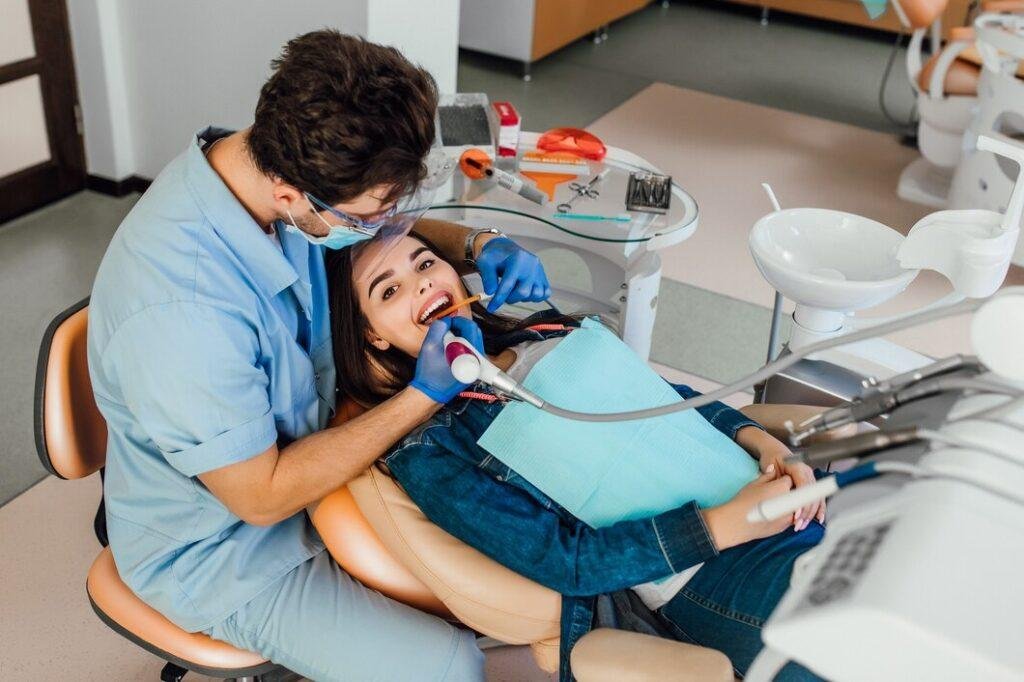
Dental Care Without Insurance
Dental care remains important even when someone does not have dental insurance. Routine examinations, cleanings, fillings, and other services can help prevent small problems from becoming more complicated. Without coverage, however, people may worry about unexpected expenses or delay appointments because they are unsure what treatment will cost. Understanding how self-pay dental care works can make planning easier and help patients make informed decisions about their oral health.
What Does No-Insurance Dental Care Mean?
A no-insurance dentist visit generally means the patient pays directly for the services received rather than submitting a claim to an insurance company. The cost can vary based on the type of examination, treatment, materials, and complexity involved. Some practices may explain fees before treatment begins, while others may provide estimates after completing an evaluation. Patients should feel comfortable asking for a clear explanation of expected costs and available payment arrangements.
Why Regular Dental Visits Still Matter
Skipping dental visits because of insurance concerns can allow preventable problems to progress. Cavities may become deeper, gum inflammation can worsen, and damaged teeth may eventually require more involved treatment. Preventive appointments can identify concerns while they are easier to address. Even when a person pays out of pocket, maintaining regular dental care may help reduce the likelihood of larger and more expensive dental problems later.
Services Commonly Available to Self-Pay Patients
People paying without insurance may still need a wide range of dental services. Common care includes examinations, professional cleanings, digital imaging, fillings, crowns, tooth extractions, periodontal treatment, and preventive care. Cosmetic and restorative procedures may also be considered when appropriate. The actual treatment plan depends on the patient's oral condition, goals, and clinical needs rather than insurance status alone.
Understanding Dental Costs
Dental fees are influenced by several factors. A simple filling usually requires different resources than a crown or surgical procedure. The number of teeth involved, the condition of the mouth, laboratory materials, and the complexity of treatment can all affect the final cost. Asking for an itemized estimate can make expenses easier to understand. Patients can also ask which treatments are urgent and which may be safely scheduled for a later time.
Questions to Ask Before Treatment
Clear communication can prevent surprises. Patients can ask what the examination includes, whether imaging is necessary, what treatment is recommended, and what the estimated total cost will be. It is also reasonable to ask whether there are different treatment approaches and how each option may affect long-term oral health. Understanding these details allows patients to compare choices based on both immediate needs and future consequences.
Payment and Budget Planning
When dental insurance is unavailable, planning ahead can make treatment more manageable. Some patients may prefer to schedule necessary care in stages when clinically appropriate. Others may look for practices that provide straightforward self-pay pricing or accepted payment methods. The important point is to avoid postponing urgent treatment solely because the full cost feels difficult to understand. A conversation about financial expectations can help establish a realistic plan.
Preventive Care Can Reduce Future Expenses
Daily oral hygiene is one of the simplest ways to protect a dental budget. Brushing twice daily, cleaning between teeth, limiting frequent sugary snacks, and keeping regular dental appointments can reduce the risk of decay and gum disease. Prevention does not eliminate every dental problem, but it can support healthier teeth and gums. For people paying directly for care, prevention can be especially valuable because it may reduce the need for extensive procedures.
Choosing a No Insurance Dentist in Clermont, FL
People searching for a No insurance dentist Clermont FL may want to focus on transparency, communication, and practical treatment planning. A useful dental visit should make it clear what condition is being treated, why the care is recommended, and what costs may be involved. Patients can ask whether estimates are provided before treatment and whether the office explains alternatives when more than one approach is clinically reasonable.
Balancing Cost and Quality of Care
Affordable dental care should not mean ignoring important health considerations. The least expensive option at the moment may not always provide the best long-term result. Patients should consider durability, maintenance, comfort, and the consequences of delaying treatment. A balanced decision looks at both immediate affordability and future oral health. Professional guidance can help patients understand those trade-offs before choosing a treatment plan.
Final Thoughts
Dental insurance can make expenses more predictable, but its absence does not mean dental care has to stop. Self-pay patients can still receive preventive, restorative, and other appropriate services. By asking questions, requesting clear cost information, prioritizing necessary treatment, and maintaining strong home-care habits, people can take an active role in protecting their smiles. A practical approach can make dental care feel more manageable while supporting long-term oral health.

 English
 French
 Spanish
 Portuguese
 Deutsch
 Turkish
 Dutch
Dutch
 Italiano
 Russian
 Romaian
 Portuguese (Brazil)
 Greek
Greek