


How Flexible Pouches Transform Modern Packaging Designs
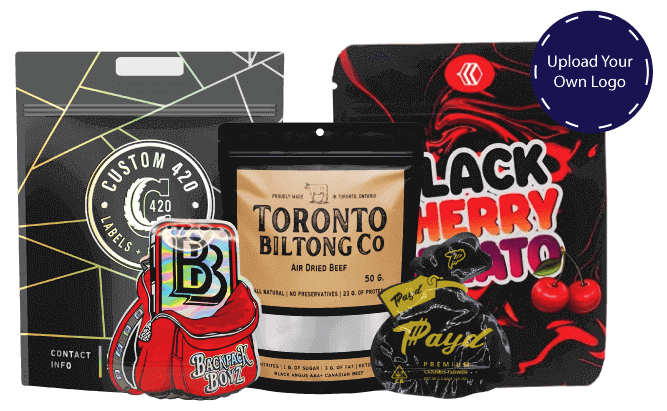
Product packaging has moved beyond simple containment, with businesses increasingly considering protection, presentation, portability, and material efficiency together. Their adaptable structure can correspond with varied product dimensions while providing space for graphics, product information, and practical opening features. Within a broader universal packaging strategy, pouch formats can maintain visual consistency across product collections while accommodating different weights, filling conditions, storage environments, and retail requirements without creating unnecessary structural complexity. Flexible Pouches represent a versatile format for food, beverages, pet products, personal care items, household goods, and specialty products.
Adapting Packaging To Product Needs
Different products bring different packaging considerations, from moisture sensitivity and oxygen exposure to weight, texture, and storage conditions. Packaging requirements of the product should guide decisions concerning material layers, thickness, dimensions, and closure construction. A pouch intended for dry snacks may require a different structure from one designed for liquid sauces or powdered goods. This application-focused approach creates a stronger connection between packaging construction and product characteristics. Careful evaluation during development can also reduce structural inconsistencies across multiple package sizes and product variations.
Creating Efficient Structural Formats
The physical structure of a pouch can influence filling, transportation, storage, and shelf arrangement. Flat pouches, stand-up formats, gusseted designs, and spouted structures each present different possibilities for particular applications. Dimensions of the packaging should correspond with the quantity, density, and physical form of the contents. A suitable format can reduce unnecessary internal space while maintaining sufficient room for sealing and product protection. Structural planning also matters during shipping because package dimensions influence carton arrangement, warehouse storage, pallet configuration, and the amount of space occupied throughout distribution.
Key Structural Features To Consider
-
Flexible material construction
-
Compact package dimensions
-
Reliable sealing systems
-
Convenient opening formats
-
Printable surface areas
Strengthening Protection During Distribution
Products can experience considerable movement before reaching customers. Packages may pass through filling equipment, warehouses, transportation vehicles, fulfillment centers, retail storage areas, and delivery networks. Durability of the packaging should therefore correspond with expected handling conditions. Material thickness, layer composition, seal construction, and package geometry can influence resistance against punctures, abrasion, compression, and accidental opening. A carefully selected structure can maintain the enclosure around the contents throughout ordinary distribution conditions. Testing can further establish whether the chosen format corresponds with realistic transportation and handling environments.
Supporting Clear Retail Communication
A package frequently provides the first substantial amount of product information available to a shopper. Product names, ingredients, nutritional details, instructions, quantities, certifications, and contact information may all require placement within limited surface space. Readability of the packaging should remain central during artwork planning. Typography, spacing, imagery, and color selection can create an organized visual hierarchy while keeping essential information accessible. A balanced layout can prevent excessive visual density and maintain a coherent relationship between regulatory details, product descriptions, logos, and other customer-facing elements.
Packaging Planning Priorities
-
Review material compatibility
-
Match product dimensions
-
Test sealing performance
-
Organize printed information
-
Consider distribution conditions
Building Distinctive Brand Presentation
Packaging graphics can contribute significantly to how products appear across retail shelves, online listings, and promotional displays. The visual identity of the brand should remain consistent across related products while allowing individual varieties to maintain recognizable differences. Typography, logo placement, photography, illustrations, and color systems can form a connected design language. A coordinated appearance may help customers associate multiple products with the same business without making every package visually identical. This balance becomes particularly useful when product collections contain numerous flavors, sizes, formulations, or seasonal variations.
Improving Convenience Through Design
Convenience can influence packaging decisions when products are consumed gradually, carried between locations, or stored after opening. Tear notches, resealable closures, spouts, handles, and shaped openings may correspond with specific product requirements. Usability of the packaging should be considered alongside protection and visual presentation. A package can maintain a compact footprint while incorporating features relevant to its intended application. For products consumed over several occasions, resealable structures may provide practical value, while single-use products may favor straightforward opening formats and simplified construction.
Managing Materials And Sustainability
Material selection has become an important part of packaging development as businesses examine waste reduction, resource efficiency, and environmental objectives. Sustainability goals of the brand should remain compatible with product protection, manufacturing capabilities, food safety considerations, and applicable requirements. Material reduction may involve thinner structures or more efficient package dimensions, while alternative material systems can be evaluated according to their intended applications. Sustainability decisions benefit from early planning because structural changes can influence printing, sealing, filling equipment, shelf life, transportation, and overall production performance.
Supporting Diverse Market Applications
Pouch formats appear across many categories because their construction can be adapted to different product characteristics and sales environments. Snacks, coffee, pet treats, sauces, powders, cosmetics, detergents, and specialty goods may each have distinct structural requirements. Packaging quality of the product depends on the relationship between material selection, manufacturing consistency, sealing, printing, and intended use. Businesses can also coordinate several pouch sizes within one visual system, creating greater consistency across product families. Such flexibility can be particularly valuable for companies managing multiple SKUs or expanding into additional market channels.
Preparing Packaging For Business Growth
Packaging systems often need to change as product collections expand. New flavors, quantities, formulations, promotional releases, and distribution channels can introduce additional requirements. Scalable packaging design can provide a structured foundation for these developments while preserving recognizable visual elements. Artwork templates, coordinated dimensions, and adaptable structural specifications can simplify future package development. Early planning can reduce unnecessary redesign work and create a more organized approach to packaging as a business moves into new categories. Consistency across related products can also support stronger recognition while leaving sufficient room for individual product information.
Conclusion
Modern packaging decisions involve much more than selecting a container. Protection, dimensions, material structure, convenience, visual communication, sustainability considerations, and distribution conditions can all influence the finished format. Flexible pouches provide a versatile foundation for products requiring adaptable structures and practical presentation. Careful planning can create packaging that corresponds with product requirements, customer handling expectations, retail presentation, and the long-term direction of a growing business. When incorporated into a thoughtful Universal Packaging strategy, pouch formats can support multiple product categories while maintaining consistency across sizes and collections.

 English
 French
 Spanish
 Portuguese
 Deutsch
 Turkish
 Dutch
Dutch
 Italiano
 Russian
 Romaian
 Portuguese (Brazil)
 Greek
Greek